Grooming Your Guinea Pig
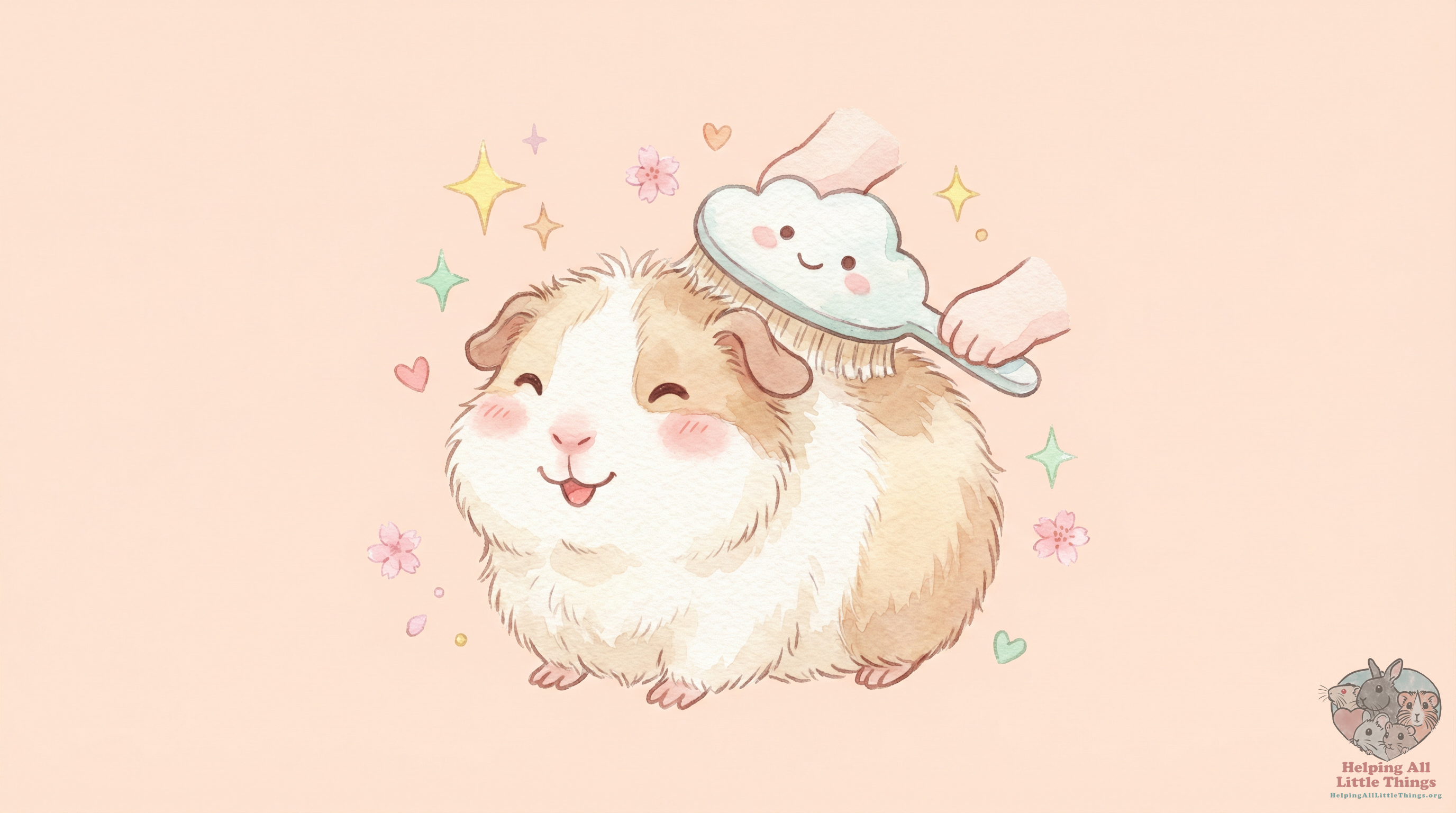
Grooming is an essential part of responsible guinea pig care that goes beyond just keeping them looking their best. Regular grooming sessions are an excellent opportunity to bond with your pet and...
Grooming is an essential part of responsible guinea pig care that goes beyond just keeping them looking their best. Regular grooming sessions are an excellent opportunity to bond with your pet and...
A guide to the unique grooming needs of chinchillas, focusing on the importance of dust baths and how to provide them safely.
A guide to the grooming needs of pet degus, with a focus on the essential role of dust baths for maintaining their coat and skin health.
A guide to the minimal grooming needs of pet gerbils, including the role of sand baths, brushing, and nail care.
An overview of chinchilla species and the wide variety of color mutations found in pet chinchillas.
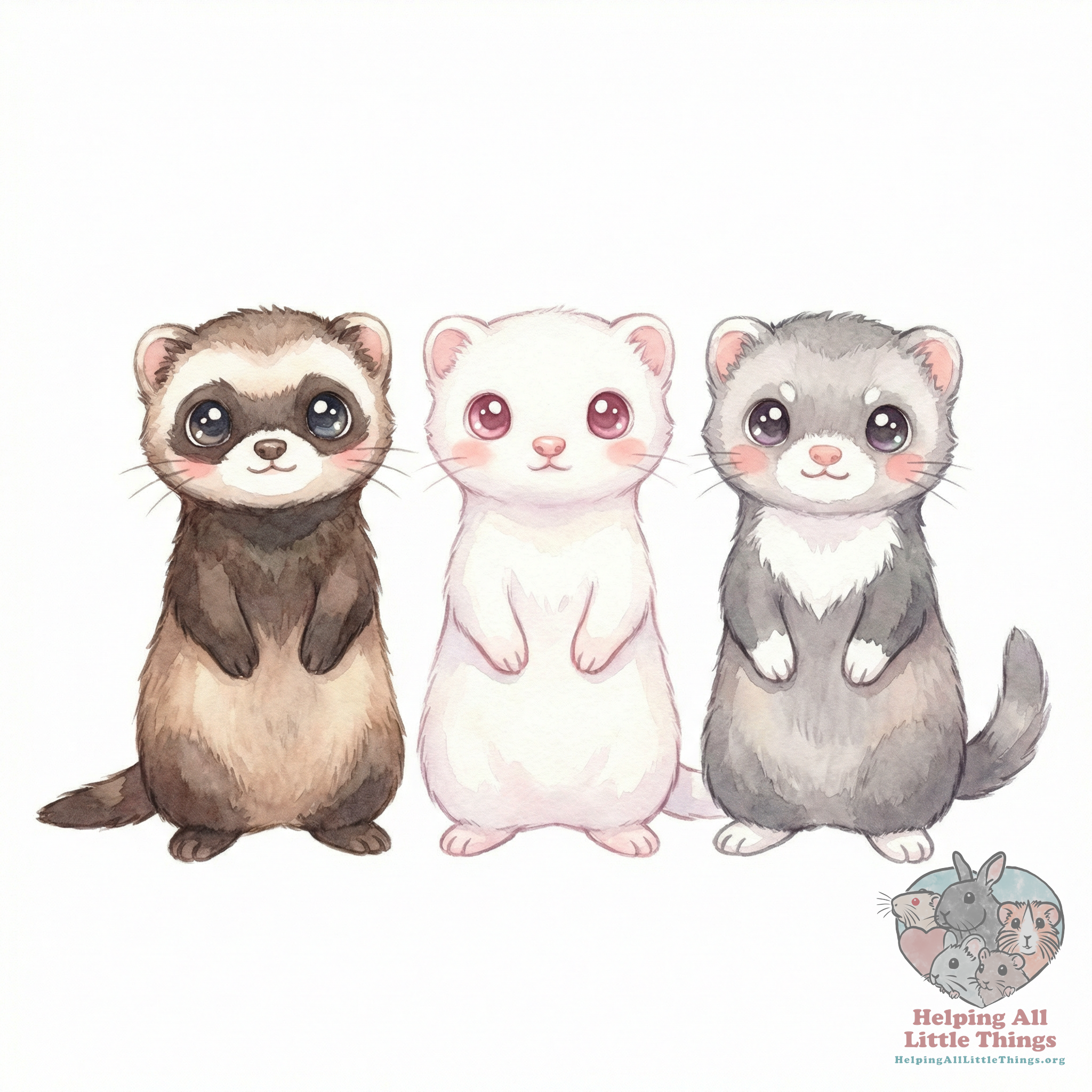
A guide to ferret coat colors, patterns, and markings recognized by the American Ferret Association.
An overview of the two species of gerbils commonly kept as pets, and the wide variety of coat colors found in Mongolian gerbils.
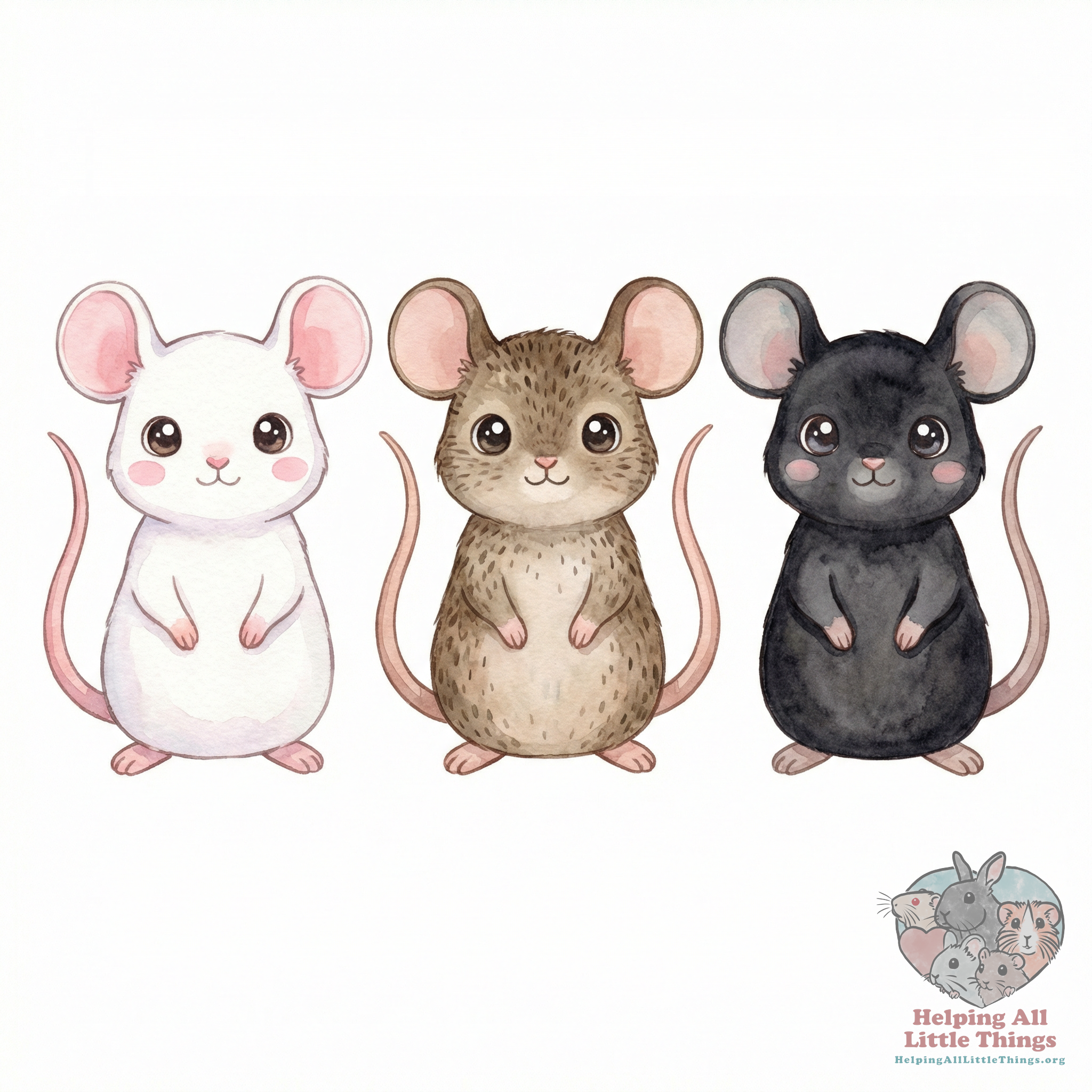
An overview of the varieties of fancy mice, including coat types, colors, and markings recognized by the American Fancy Rat and Mouse Association.
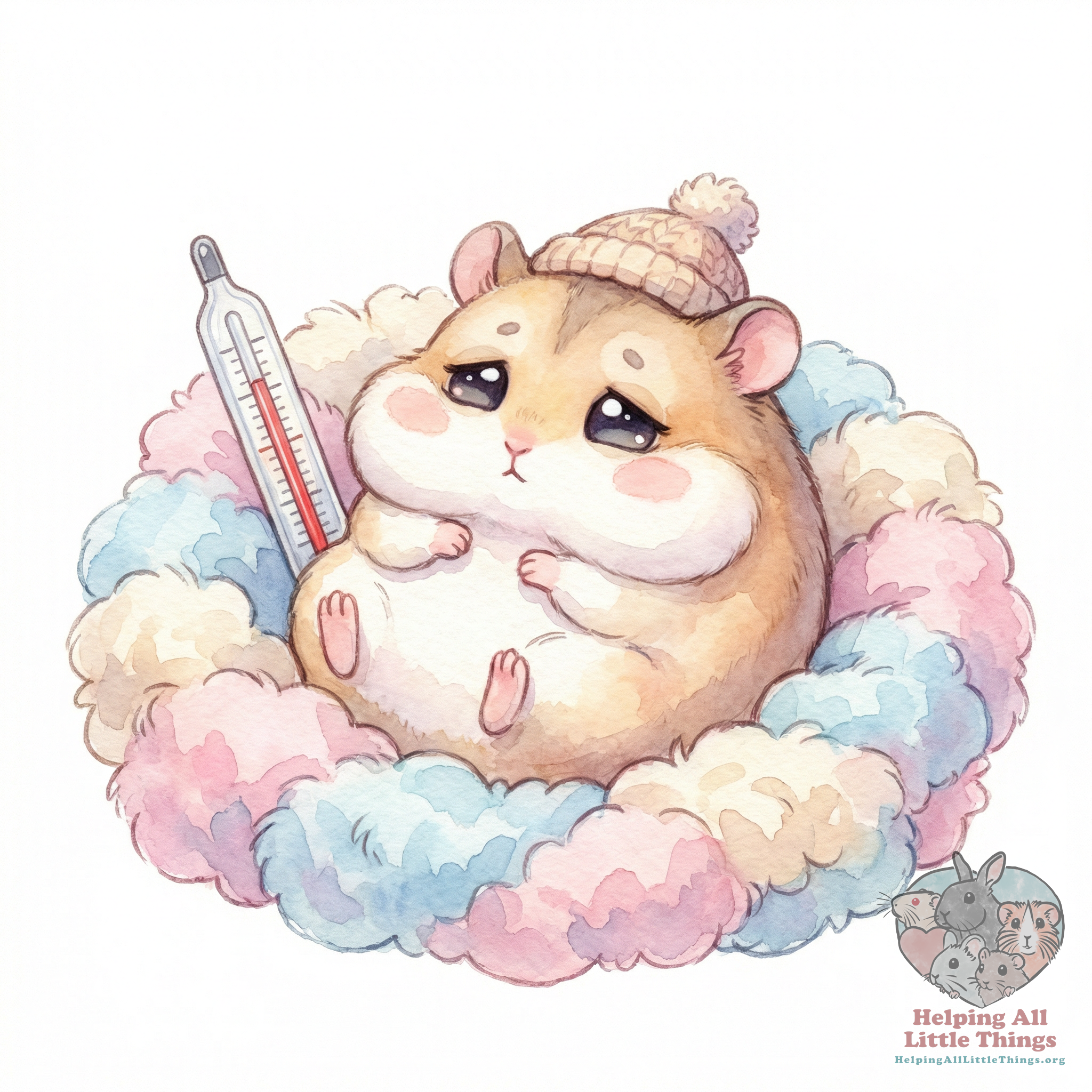
A guide to seasonal alopecia in hamsters, a harmless, hormone-driven hair loss typically seen in male Syrian hamsters during the winter months.
Guinea pigs are known for their stunning diversity of coat colors and patterns, from solid black to intricate brindles and dalmatians. This variety isn't random; it's the result of a fascinating and complex world of genetics. Understanding the basics of coat color inheritance is not only interesting for curious owners but is also critical for responsible breeding and rescue advocacy to prevent serious genetic health problems.
Hairless guinea pigs, most commonly known as "Skinny Pigs," are a unique and increasingly popular variety of cavy. Their striking appearance, lacking the typical fluffy coat, makes them stand out, but it also means they have specialized care requirements that potential owners must be prepared to meet. Understanding their unique needs is essential to providing them with a healthy and happy life.