Establish Your Network: The Power of Community
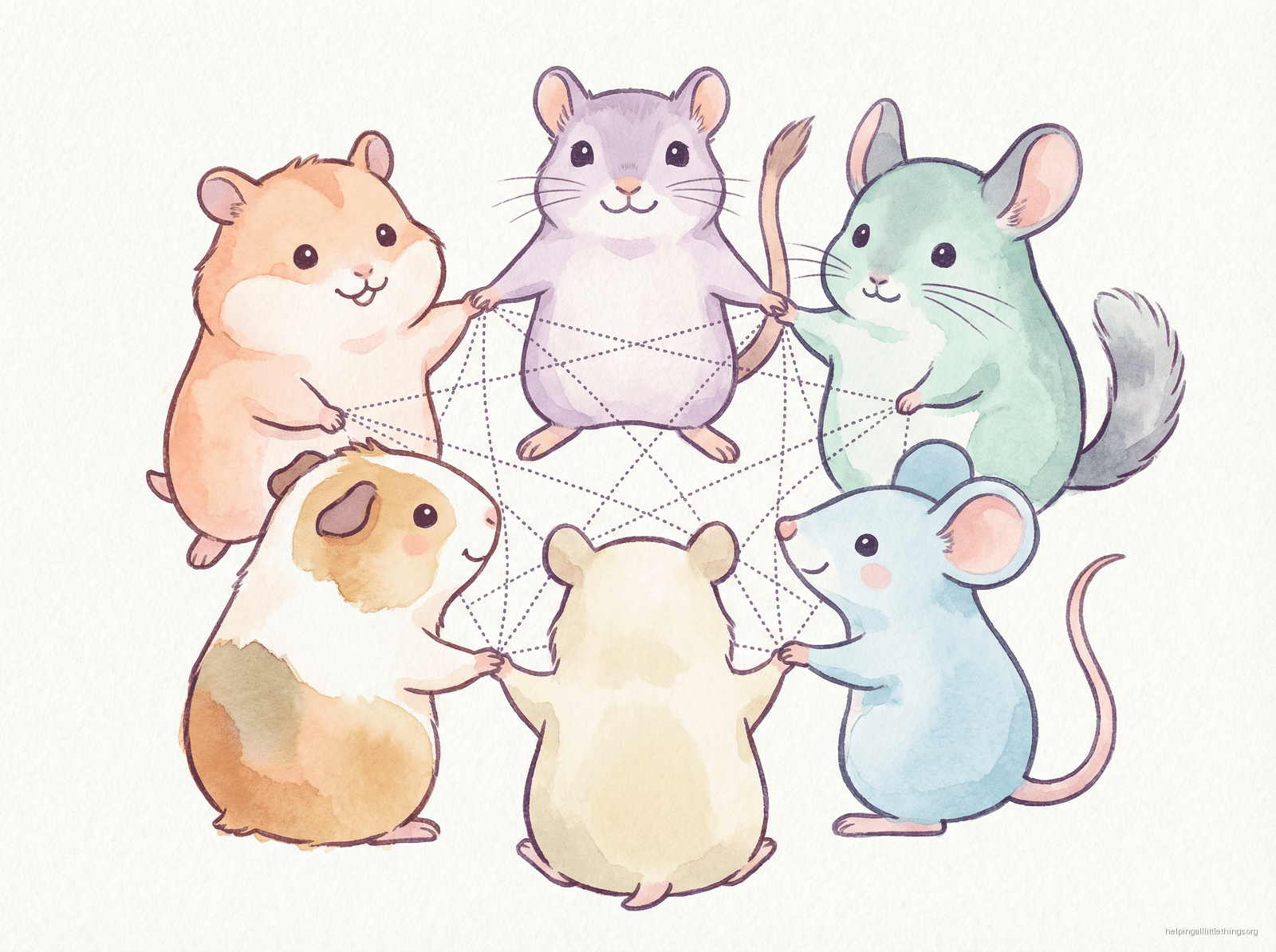

No rescue can succeed as an island. A successful animal rescue is not just an organization; it's a hub at the center of a compassionate community. Building and nurturing a robust network of volunteers, fosters, and professional partners is as critical as any other aspect of your operation. This network provides the manpower, resources, and support system needed to save lives.
1. The Foster Network: The Backbone of Rescue
For most rescues, especially those without a physical shelter, the foster network is the rescue. Foster homes provide the safe, temporary housing where animals can decompress, heal, and await their forever homes.
- Recruitment: Actively recruit foster homes through your website, social media, and at community events. Be clear about the expectations and the support you provide.
- Screening and Training: Develop a thorough screening process to ensure foster homes are safe and suitable. Provide a foster manual and ongoing training to empower your fosters with the knowledge they need to provide excellent care.
- Support: The number one reason for foster burnout is a lack of support [1]. You must provide your fosters with all necessary supplies (food, housing, medical care) and be responsive to their questions and concerns. Create a private social media group where your fosters can connect, share advice, and support one another.
2. Veterinary Partnerships: Your Lifeline
A strong, mutually respectful relationship with one or more veterinary clinics is non-negotiable. These partners are your lifeline for both routine and emergency medical care.
- Find the Right Fit: Seek out veterinarians who have experience with the species you rescue. An exotics-savvy vet is essential for a small animal rescue.
- Establish Clear Terms: Work with your partner clinics to establish discounted rates for your nonprofit. Be clear about billing, scheduling, and after-hours emergency protocols.
- Be a Good Partner: Pay your bills on time, be organized, and communicate respectfully with the veterinary staff. A good relationship is a two-way street.
3. A Dedicated Volunteer Team
Volunteers are the engine of your rescue, handling everything from administrative tasks to animal transport.
- Define Roles: Create clear, specific volunteer roles (e.g., Adoption Application Processor, Transport Coordinator, Social Media Manager, Fundraising Assistant). This allows people to contribute in a way that matches their skills and availability.
- Appreciation: Regularly and publicly acknowledge the contributions of your volunteers. Volunteer appreciation events, shout-outs on social media, and simple thank-you notes go a long way in preventing burnout and making your team feel valued [2].
4. Community and Shelter Relationships
Building positive relationships with other animal welfare organizations in your area is crucial.
- Local Shelters: Position yourself as a partner to your local municipal shelters, not a competitor. By pulling animals from them, you are helping to reduce their burden and save lives.
- Other Rescues: Network with other rescues, even those who work with different species. You can share resources, cross-promote adoptable animals, and collaborate on large-scale rescue efforts.
Your network is your greatest asset. By investing in these relationships, you build a resilient, compassionate community that can weather the challenges of rescue and amplify your life-saving impact.
References
[1] HumanePro by The Humane Society of the United States. (n.d.). Foster care programs. Retrieved from https://humanepro.org/topics/foster-care
[2] Best Friends Animal Society. (n.d.). Volunteer management fundamentals. Retrieved from https://bestfriends.org/network/resources/program-spotlights/volunteer-programs/volunteer-management-fundamentals