Respiratory Issues in Guinea Pigs
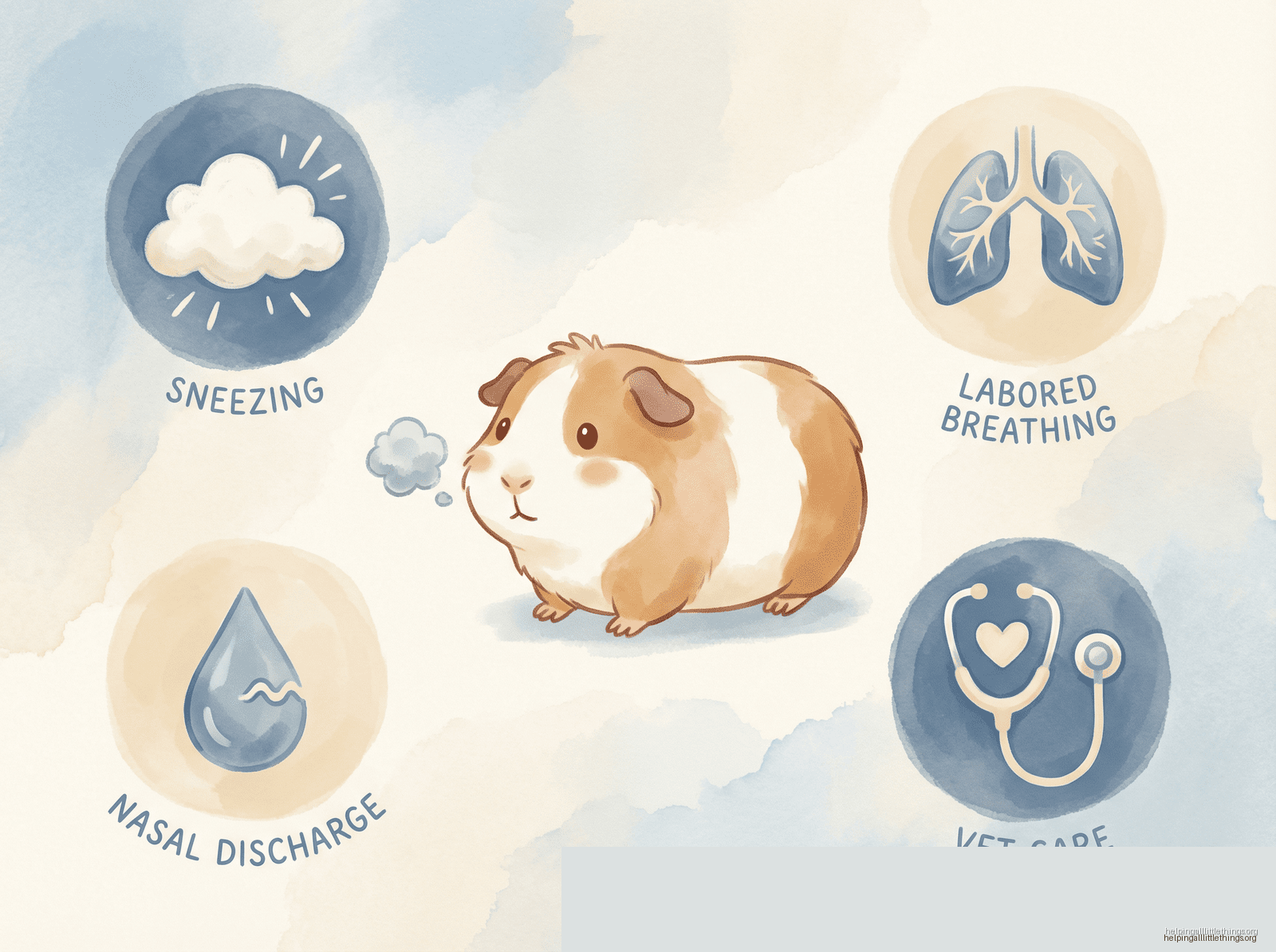

Respiratory infections are a serious and unfortunately common health issue in guinea pigs. What may seem like a simple cold can rapidly progress to life-threatening pneumonia. Guinea pigs are particularly susceptible to certain types of bacteria, and their tendency to hide illness means that by the time an owner notices symptoms, the disease may already be advanced. Any sign of a respiratory problem in a guinea pig warrants an immediate veterinary visit.
Causes of Respiratory Infections
The most common causes of respiratory infections in guinea pigs are bacterial. The two most frequent culprits are Bordetella bronchiseptica and Streptococcus pneumoniae. Guinea pigs can be asymptomatic carriers of these bacteria, which can then flare up during times of stress or if the immune system is compromised.
- Environmental Stress: Poor ventilation, high ammonia levels from a dirty cage, and dusty or aromatic bedding (like cedar) can irritate the respiratory tract and make it vulnerable to infection.
- Co-housing: Rabbits are often asymptomatic carriers of Bordetella and can easily transmit it to guinea pigs. For this reason, rabbits and guinea pigs should never be housed together.
- Vitamin C Deficiency: A lack of Vitamin C weakens the immune system, making the guinea pig more susceptible to all types of infections.
- Other Illnesses: A guinea pig that is already sick with another condition is at higher risk.
Signs of a Respiratory Problem
It is critical to learn to spot the subtle signs of respiratory distress.
- Nasal Discharge: Any discharge from the nose, which may be clear or become white/yellow.
- Sneezing or Coughing.
- Watery or Crusty Eyes.
- Labored Breathing: This is a sign of advanced disease. You may hear a wheezing or crackling sound, or see the guinea pig's sides heaving with effort.
- Loss of Appetite: This is a very serious sign in a guinea pig and can quickly lead to secondary GI stasis.
- Lethargy: Huddling in a corner, being unwilling to move, and having a rough or unkempt coat.
Diagnosis and Treatment
A guinea pig with respiratory signs must see a veterinarian immediately.
- Diagnosis: The vet will listen to the chest with a stethoscope to check for sounds of pneumonia. A chest x-ray is the best way to confirm a diagnosis of pneumonia. A culture of the nasal discharge can identify the specific bacteria.
- Treatment: Treatment requires a course of guinea pig-safe antibiotics. It is critical that the veterinarian is experienced with guinea pigs, as many common antibiotics (like amoxicillin) are toxic to them. In addition to antibiotics, supportive care is often needed, which may include:
- Syringe-feeding with a critical care formula if the pig is not eating.
- Subcutaneous fluids for dehydration.
- Nebulization therapy to help clear congestion.
Prevention
- Proper Diet: A diet high in hay and with a reliable daily source of Vitamin C is the foundation of a strong immune system.
- Clean, Well-Ventilated Housing: Keep the cage clean to prevent ammonia buildup and use a safe, low-dust bedding like fleece or aspen shavings.
- Do Not House with Rabbits: This is a critical rule to prevent the transmission of Bordetella.
- Minimize Stress: Provide a calm environment and proper housing to keep your guinea pig's immune system strong.
By being vigilant for the early signs of illness and seeking prompt veterinary care, you can significantly improve the prognosis for a guinea pig with a respiratory infection.