Gastrointestinal (GI) Health in Guinea Pigs
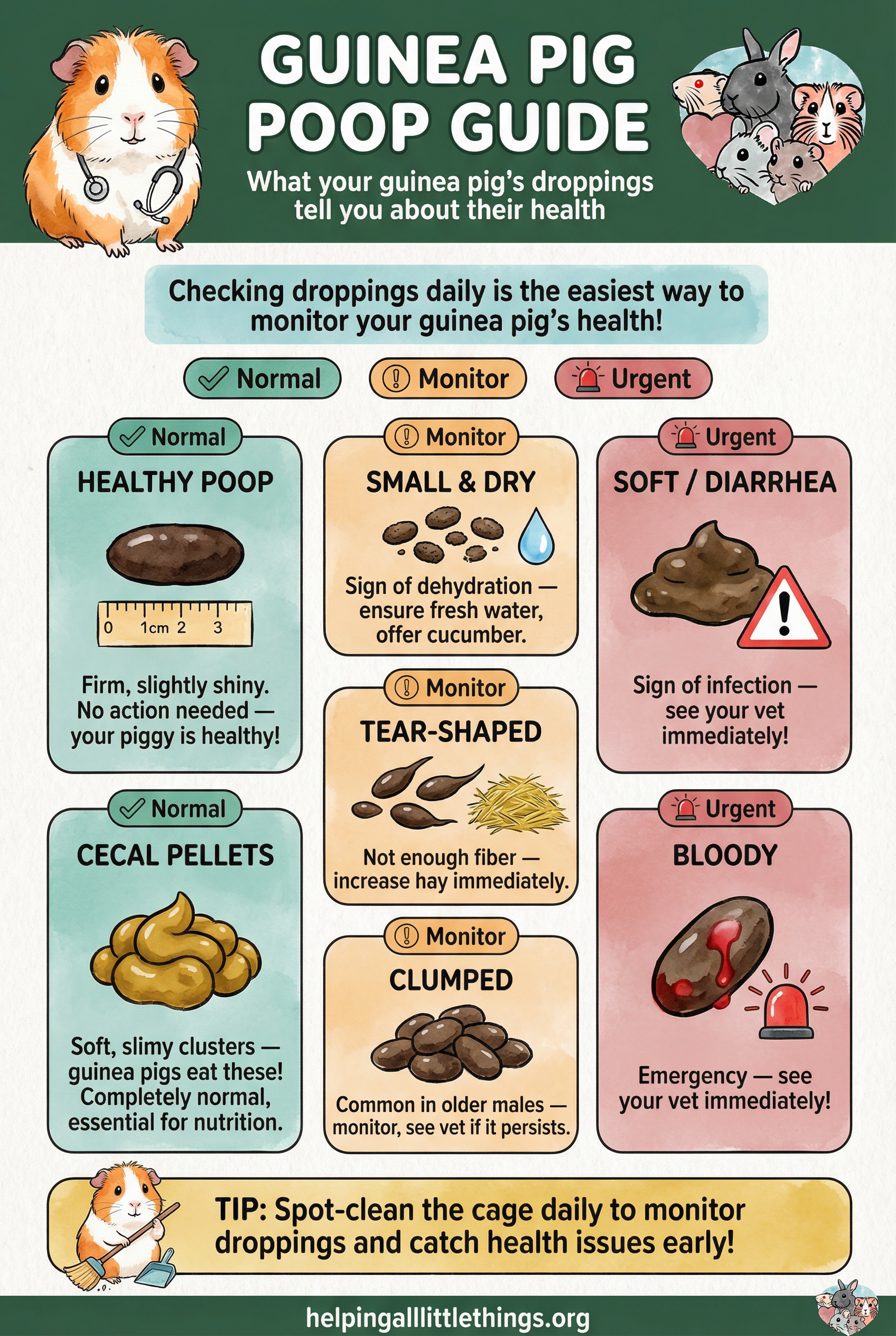

A guinea pig's life revolves around its gastrointestinal (GI) tract. Their digestive system is a delicate, complex engine that must be constantly running. It is designed to process large volumes of high-fiber food, and any interruption to this process can quickly become a life-threatening emergency. Understanding and meticulously catering to their digestive needs is the most important responsibility of any guinea pig owner.
The Guinea Pig Gut: A Fermentation Factory
Guinea pigs are hindgut fermenters. Their large cecum acts as a fermentation vat, housing a finely balanced ecosystem of bacteria and other microbes. These microbes are responsible for breaking down the tough fiber in hay and grass into absorbable nutrients. This entire system is dependent on a constant flow of high-fiber material to maintain its motility and microbial balance. When that flow stops, the system crashes.
Emergency 1: GI Stasis (The Silent Killer)
GI stasis is the most common GI emergency in guinea pigs. It is a condition where the normal muscular contractions of the intestines (peristalsis) slow down or stop entirely. This is not a blockage; it is a functional shutdown of the gut.
-
Causes:
- Inadequate Hay/Fiber: This is the number one cause. A diet of mostly pellets does not provide enough long-strand fiber to stimulate the gut.
- Pain: Pain from any other source (dental disease, urinary tract infection, injury) will cause a guinea pig to stop eating, which in turn leads to stasis.
- Stress: Environmental changes, loss of a companion, or fear can trigger stasis.
- Dehydration.
-
Signs:
- Refusal to Eat: A guinea pig that refuses its favorite veggie is a major red flag.
- Changes in Fecal Pellets: The first sign is often smaller, tear-drop shaped, or dry-looking pellets. This progresses to a complete absence of pellets.
- Lethargy: Hiding, looking "miserable," and being unwilling to move.
- Pain: A hunched posture, tooth grinding (bruxism), and reluctance to be touched.
-
Action: This is a veterinary emergency. Do not "wait and see." Treatment is intensive and involves rehydration (subcutaneous fluids), pain management, drugs to stimulate gut motility (like cisapride), and supportive syringe-feeding with a critical care formula (like Oxbow Critical Care).
Emergency 2: Bloat
Bloat is a condition where the stomach or intestines fill with gas. The distended organ puts pressure on the heart and lungs and can cut off its own blood supply, leading to rapid shock and death. Bloat is an extremely painful, acute emergency.
-
Causes: Often caused by eating gas-producing vegetables (like cabbage or broccoli) in excess, or a sudden change in diet.
-
Signs:
- A visibly swollen, hard, and drum-like abdomen.
- Extreme pain and lethargy; often unable to move.
- Labored, shallow breathing.
-
Action: Go to an emergency veterinarian immediately. This is one of the most rapid and fatal emergencies in guinea pigs. The vet will need to take x-rays and may try to decompress the stomach with medication or a tube. The prognosis is always very poor.
Prevention: The Hay-Centric Diet
Nearly all GI problems in guinea pigs are preventable with a proper, consistent diet.
- Unlimited Grass Hay: The diet must be 80-90% high-quality grass hay (timothy, orchard, meadow). This is not a suggestion; it is a requirement. Hay provides the fiber that fuels the gut.
- Consistent Pellets: Feed a small, measured amount (approx. 1/8 cup per pig per day) of a plain, timothy-hay-based pellet. Avoid colorful mixes.
- Fresh Vegetables: Offer about one cup of fresh, low-calcium vegetables daily. Introduce new veggies one at a time in small amounts.
- Daily Vitamin C: Guinea pigs cannot produce their own Vitamin C. Ensure a daily source through a fortified pellet or a small piece of bell pepper.
- Constant Fresh Water: Dehydration is a key contributor to GI stasis.
Monitoring your guinea pig's appetite and fecal output every single day is the best way to catch GI problems early. Any deviation from their normal routine warrants immediate attention.