What to Know about Hairless or "Skinny" Pigs
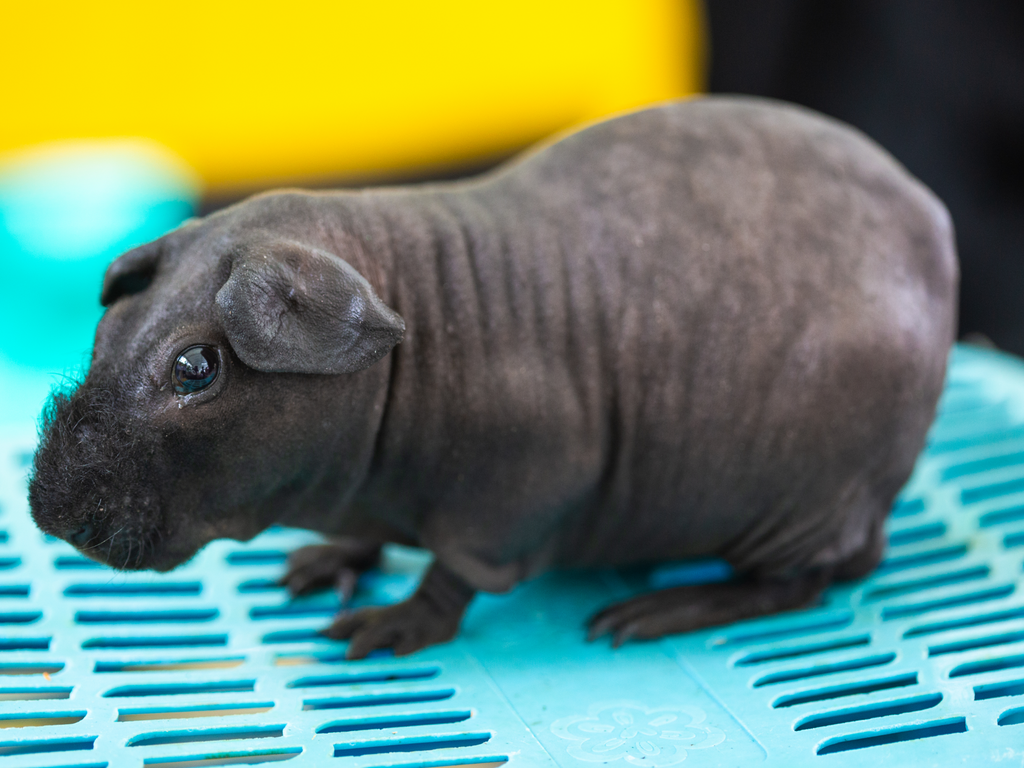
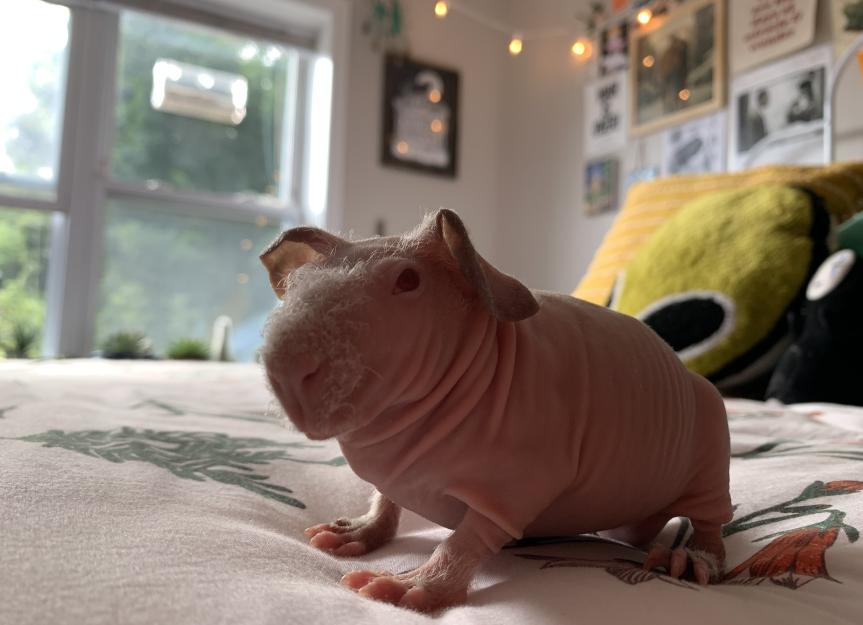
Hairless guinea pigs, most commonly known as "Skinny Pigs," are a unique and increasingly popular variety of cavy. Their striking appearance, lacking the typical fluffy coat, makes them stand out, but it also means they have specialized care requirements that potential owners must be prepared to meet. Understanding their unique needs is essential to providing them with a healthy and happy life.
The Origin of Hairless Guinea Pigs
There are two main types of hairless guinea pigs, the Skinny Pig and the Baldwin.
- Skinny Pigs: Contrary to what their name might suggest, Skinny Pigs are not entirely hairless. They have a characteristic patch of fuzzy hair on their nose and feet. This breed was developed in a laboratory setting in the 1980s and is not a naturally occurring variety [1].
- Baldwin Guinea Pigs: Baldwins are born with a full coat of fur, which completely falls out over the first few months of their life, leaving them entirely hairless. This trait is due to a different recessive gene than the one that creates Skinny Pigs.
Specialized Care Requirements
The lack of a protective coat means that hairless guinea pigs have needs that differ significantly from their furry counterparts.
1. Temperature Control
Without fur for insulation, hairless guinea pigs are very susceptible to cold. They must be housed indoors in a temperature-controlled environment.
- Ideal Temperature: The optimal room temperature for a hairless guinea pig is between 72-75°F (22-24°C) [2]. They should be kept away from drafts, air conditioners, and direct sunlight.
- Warmth and Bedding: Providing extra-soft bedding like fleece liners and cozy hideaways can help them conserve body heat. They may huddle together more than other breeds for warmth.
2. Skin Care
Their exposed skin requires regular attention to stay healthy.
- Moisturizing: Hairless guinea pigs can be prone to dry skin. If you notice dryness or flakiness, you can apply a small amount of a piggy-safe, natural moisturizer like coconut oil. Avoid human lotions, which can contain harmful chemicals and fragrances.
- Protection from Injury: Their skin is more vulnerable to scratches and cuts. Ensure their habitat is free of sharp objects. Soft bedding is preferable to more abrasive options like wood shavings.
- Bathing: Like other guinea pigs, they should only be bathed when absolutely necessary. Their skin is sensitive, and over-bathing can strip it of essential oils.
3. Higher Metabolism and Diet
Hairless guinea pigs have a faster metabolism than their furry relatives because they burn more calories to stay warm. This has implications for their diet.
- Increased Food Intake: They may eat more food and produce more waste than other guinea pigs. It is crucial to monitor their weight and body condition to ensure they are getting enough calories.
- Dietary Staples: Their core diet should be the same as any other guinea pig: unlimited high-quality hay, a daily portion of fresh vegetables rich in Vitamin C, and a small amount of timothy-based pellets. See our Nutrition Information for Guinea Pigs article for a detailed guide.
4. Susceptibility to Infections
While generally robust, their skin can be more prone to fungal infections or other irritations if their environment is not kept scrupulously clean. Daily spot cleaning of their cage and regular full cleanings are essential.
Are Hairless Guinea Pigs Hypoallergenic?
This is a common misconception. While they don't shed fur, people are often allergic to the proteins found in a guinea pig's saliva, urine, or skin cells (dander), not the hair itself. Therefore, a hairless guinea pig can still trigger allergies.
Owning a hairless guinea pig can be a wonderfully rewarding experience. They are known for being social, vocal, and affectionate pets. However, their specialized needs require a dedicated owner who is prepared to provide the extra care they need to thrive.
References
[1] PetMD. (2023). Hairless Guinea Pig. Retrieved from https://www.petmd.com/breeds/hairless-guinea-pig
[2] Kavee. (2025). The Ultimate Guide to Hairless and Skinny Guinea Pigs. Retrieved from https://uk.kavee.com/blogs/the-piggy-blog/hairless-guinea-pigs