Sepsis in Small Pets
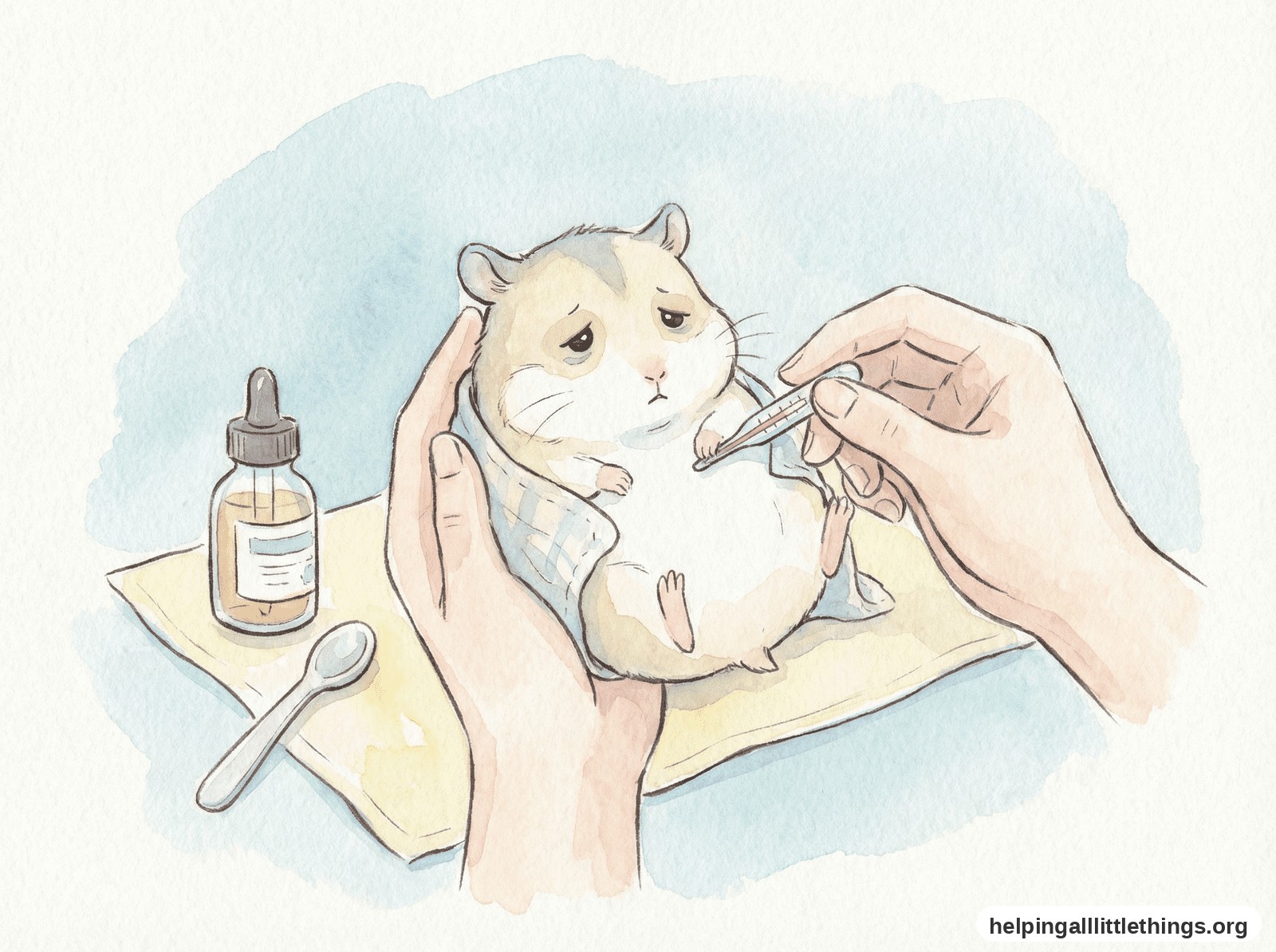

Sepsis is a life-threatening emergency that can affect any animal, including small pets like rabbits, guinea pigs, ferrets, and rodents. It is not a specific disease, but rather the body's extreme, dysregulated response to an infection. This overwhelming response can cause widespread inflammation, leading to organ damage, septic shock, and death if not treated aggressively and immediately [1].
Sepsis is a life-threatening emergency that can affect any animal, including small pets like rabbits, guinea pigs, ferrets, and rodents. It is not a specific disease, but rather the body's extreme, dysregulated response to an infection. This overwhelming response can cause widespread inflammation, leading to organ damage, septic shock, and death if not treated aggressively and immediately [1].
What Causes Sepsis?
Sepsis is triggered by an existing infection that spirals out of control. The infection can be bacterial, fungal, or viral. The body's immune system, in its attempt to fight the infection, releases a flood of chemicals into the bloodstream that cause inflammation throughout the body. This is sometimes referred to as Systemic Inflammatory Response Syndrome (SIRS) when it occurs with an infection [2].
Any severe, untreated infection can lead to sepsis. Common sources in small pets include:
- Abscesses: Particularly deep abscesses from bite wounds or dental disease.
- Pneumonia: Severe respiratory infections.
- Pyometra: An infection of the uterus in un-spayed females.
- Gastrointestinal Issues: Severe gut infections or a rupture in the GI tract.
- Urinary Tract Infections: Especially if the infection ascends to the kidneys.
- Severe Dental Disease: Infections from tooth root abscesses can easily spread.
Recognizing the Signs of Sepsis
The signs of sepsis can be subtle at first and mimic other, less severe illnesses. As prey animals, small pets are masters at hiding signs of weakness, making early detection both difficult and critical.
Early Signs
- Lethargy and Weakness: The pet may be unusually quiet, unwilling to move, or unable to stand.
- Loss of Appetite: Refusal to eat or drink.
- Fever or Low Body Temperature: The pet may feel very hot or cold to the touch.
- Rapid Heart Rate and Breathing.
Late-Stage Signs (Septic Shock)
As sepsis progresses, it can lead to septic shock, a state where blood pressure drops to a dangerously low level, impairing blood flow to vital organs.
- Pale Gums: Gums may appear pale, white, or bluish.
- Cold Extremities: Ears, paws, and tail may feel cold.
- Weak or "Thready" Pulse.
- Collapse.
Sepsis is a dire medical emergency. If you suspect your pet is showing signs of sepsis, do not wait. Seek immediate veterinary care at an emergency hospital.
Diagnosis and Treatment
Diagnosing sepsis involves a physical examination and diagnostic tests. Your veterinarian will look for an underlying source of infection and run blood tests to assess organ function and look for markers of severe inflammation and infection [3].
Treatment for sepsis is intensive and requires hospitalization, often in an ICU setting. The goals are to support the body, fight the infection, and control the inflammatory cascade.
- Intravenous (IV) Fluids: Aggressive fluid therapy is used to restore blood pressure and improve circulation to vital organs.
- Broad-Spectrum Antibiotics: Powerful antibiotics are given intravenously to fight the underlying infection.
- Addressing the Source: The original source of the infection must be controlled. This may involve surgically draining an abscess, removing an infected uterus (pyometra), or other procedures.
- Supportive Care: This can include oxygen therapy, nutritional support, pain control, and medications to support blood pressure.
Prognosis and Prevention
The prognosis for sepsis is always guarded to poor, with high mortality rates even with aggressive treatment [4]. The key to survival is extremely early and aggressive intervention.
Prevention is centered on excellent husbandry and prompt veterinary care for any illness or injury. By treating infections before they have a chance to become systemic, you can prevent them from escalating into life-threatening sepsis.
References
[1] Cortellini, S., et al. (2024). Defining sepsis in small animals. Journal of Veterinary Emergency and Critical Care, 34(1), 13-25. https://doi.org/10.1111/vec.13359
[2] VIN (Veterinary Information Network). (n.d.). SIRS--Systemic Inflammatory Response Syndrome in Small Animals. Retrieved from https://www.vin.com/apputil/content/defaultadv1.aspx?id=3850176&pid=8768
[3] PetMD. (2023, March 16). Sepsis in Dogs. Retrieved from https://www.petmd.com/dog/conditions/systemic/sepsis-dogs
[4] VIN (Veterinary Information Network). (n.d.). Sepsis and Septic Shock in Small Animals. Retrieved from https://www.vin.com/apputil/content/defaultadv1.aspx?pId=19840&catId=105900&id=8249943