Mastitis in Small Pets
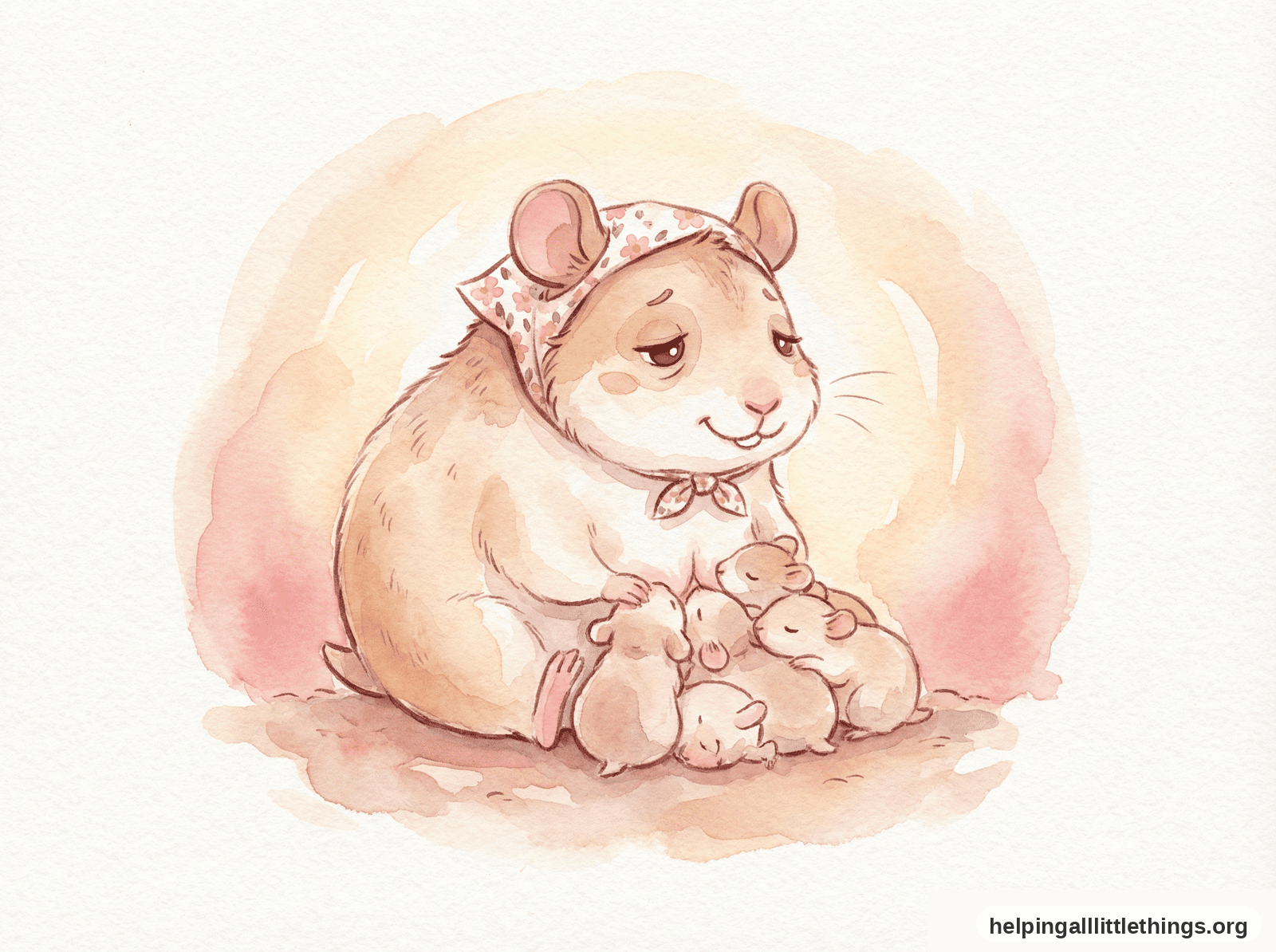

Mastitis is a painful inflammation of the mammary gland (or udder) that is most commonly seen in lactating or post-partum female animals. It is typically caused by a bacterial infection and can become a life-threatening emergency if not treated promptly [1]. While it can occur in any mammal, it is a significant concern for small pets like rabbits, guinea pigs, and rats.
Mastitis is a painful inflammation of the mammary gland (or udder) that is most commonly seen in lactating or post-partum female animals. It is typically caused by a bacterial infection and can become a life-threatening emergency if not treated promptly [1]. While it can occur in any mammal, it is a significant concern for small pets like rabbits, guinea pigs, and rats.
Causes of Mastitis
The infection usually begins when bacteria enter the mammary gland through the teat canal. Common contributing factors include [2, 3]:
- Poor Sanitation: An unclean or damp living environment can expose the mother and her teats to high levels of bacteria.
- Trauma to the Gland: Nursing babies with sharp teeth can cause small cuts or scratches on the teat, creating an entry point for infection.
- Milk Stasis: If a gland is not fully emptied due to a large litter, the death of a baby, or abrupt weaning, the stagnant milk provides a perfect breeding ground for bacteria.
- Systemic Infection: In some cases, bacteria can spread to the mammary glands through the bloodstream from an infection elsewhere in the body.
The most common bacteria implicated in mastitis include Staphylococcus, Streptococcus, and E. coli [4].
Recognizing the Signs of Mastitis
Early detection is critical for a positive outcome. Watch for the following signs in any nursing or recently-weaned female pet:
Localized Signs (in the Gland)
- Swelling and Firmness: The affected gland will feel hard, swollen, and warm to the touch.
- Discoloration: The skin over the gland may appear red, purple, or even blue/black in severe cases (often called "blue breast" in rabbits).
- Pain: The animal will show signs of pain when the area is touched.
- Abnormal Milk: The milk expressed from the teat may be discolored (yellow, brown, or bloody), thick, or clotted.
Systemic Signs (in the Mother)
- Lethargy and Depression: The mother may be unwilling to move or care for her young.
- Anorexia: Loss of appetite and refusal to eat or drink.
- Fever: A high body temperature.
- Neglect of Offspring: She may refuse to let the babies nurse due to pain.
If you notice any of these signs, it is essential to seek veterinary care immediately.
Treatment and Prevention
Mastitis is a serious condition that requires veterinary intervention. Treatment typically involves a multi-faceted approach.
Veterinary Treatment
- Antibiotics: To fight the bacterial infection.
- Pain Relief: Anti-inflammatory medications to reduce pain and swelling.
- Supportive Care: Fluid therapy for dehydration and nutritional support if the mother is not eating.
- Hand-Rearing: If the mother is too sick or the milk is too infected, the babies will need to be removed and hand-fed with an appropriate milk replacer.
- Surgery: In severe cases where the gland has become necrotic (tissue has died), surgical removal may be necessary.
Prevention
Preventing mastitis is far better than treating it. Key preventive measures include:
- Impeccable Hygiene: Keep the nesting box and the entire habitat scrupulously clean and dry.
- Monitor Nursing: Ensure all glands are being used by the nursing babies and are not becoming overly engorged.
- Proper Weaning: Wean babies gradually to allow the mother’s milk supply to decrease slowly.
- Daily Health Checks: Gently check the mother’s mammary glands daily during the nursing period for any signs of heat, swelling, or pain.
By maintaining a clean environment and being vigilant for the early signs of trouble, you can significantly reduce the risk of this dangerous condition and ensure the health of both mother and offspring.
References
[1] Merck Veterinary Manual. (n.d.). Mastitis in Small Animals. Retrieved from https://www.merckvetmanual.com/reproductive-system/reproductive-diseases-of-the-female-small-animal/mastitis-in-small-animals
[2] PetMD. (2010, July 21). Inflammation of the Mammary Gland in Guinea Pigs. Retrieved from https://www.petmd.com/exotic/conditions/endocrine/c_ex_gp_mastitis
[3] Cornell University College of Veterinary Medicine. (n.d.). Mastitis In Ewes and Does. Retrieved from https://www.vet.cornell.edu/animal-health-diagnostic-center/programs/nyschap/modules-documents/mastitis-ewes-and-does
[4] Vella, D., & Donnelly, T. M. (2012). Disease problems of guinea pigs. In Ferrets, Rabbits, and Rodents: Clinical Medicine and Surgery (3rd ed., pp. 249-275). Elsevier Saunders.