Socializing Your Small Pet
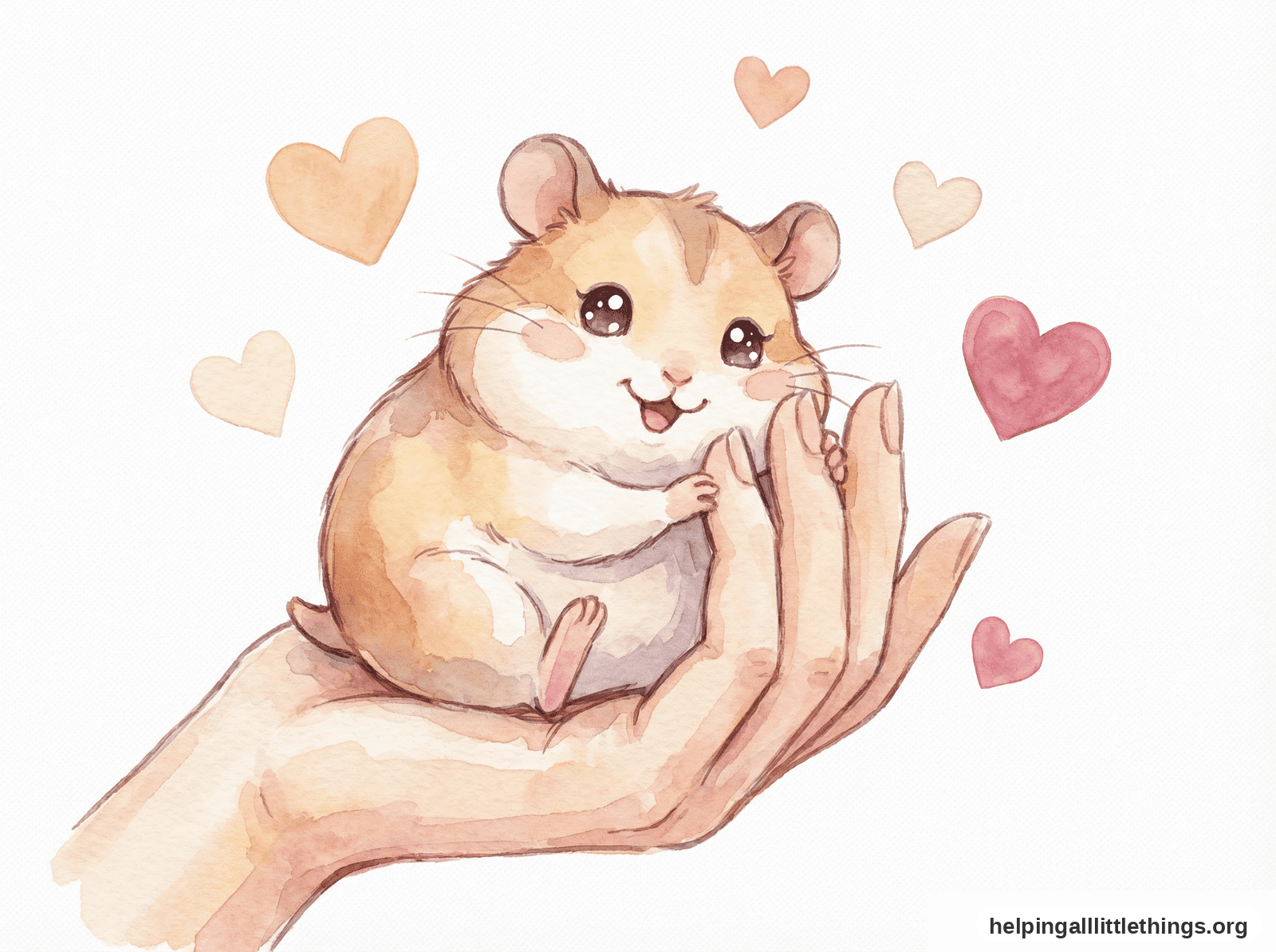

Many small pets, such as rabbits, guinea pigs, and rodents, are prey animals. Their natural instinct is to be wary and fearful of larger animals, including humans. Socializing a timid small pet is not about forcing interaction, but about patiently building trust and teaching them that you are a source of safety and comfort, not a threat [1].
This process requires time, consistency, and a gentle approach. The goal is to create a bond where your pet willingly seeks out your affection.
Creating a Safe Environment
A fearful pet cannot learn to trust if it doesn't feel safe. The first step in socialization is ensuring their environment is secure and calm.
- Provide Hiding Spaces: Your pet must have access to safe hiding spots like tunnels, hidey houses, or covered areas where they can retreat if they feel overwhelmed.
- Quiet and Calm: Keep the area around their habitat quiet. Avoid loud noises, sudden movements, and high traffic.
- Respect Their Space: Do not force your pet out of their hiding spot. This is their safe zone, and violating it will only increase their fear [2].
The Socialization Process: A Step-by-Step Guide
This process should be done in short, frequent sessions (5-10 minutes, several times a day).
Step 1: Your Presence
For the first few days, simply spend time sitting quietly near your pet's habitat.
- Sit on the floor to appear smaller and less intimidating.
- Avoid direct eye contact, which can be perceived as a threat.
- Talk to them in a soft, calm voice. Read a book or browse your phone. The goal is to let them get used to your non-threatening presence.
Step 2: The Food Offering
Food is a powerful tool for building positive associations.
- Offer a favorite, high-value treat (like a small piece of fresh parsley for a guinea pig or a sunflower seed for a hamster) by placing it just at the entrance of their hideout.
- Don't try to lure them out. Simply place the treat and sit quietly.
- Repeat this until your pet is comfortable taking the treat with you nearby.
Step 3: Hand-Feeding
Once they are comfortable taking treats near you, you can progress to hand-feeding.
- Hold the treat in your flat, open palm. Hold your hand still inside the habitat, a short distance from your pet.
- Be patient. It may take many attempts before they are brave enough to take the treat directly from your hand.
- Never chase them with the treat. Let them come to you on their own terms [3].
Step 4: The First Touch
When your pet is confidently taking treats from your hand, you can attempt the first touch.
- While they are eating the treat from one hand, slowly and gently stroke their back or side with your other hand.
- Avoid touching their head, chin, or feet at first, as these are more sensitive areas.
- Keep the touch brief, just a few gentle strokes, and then stop. The goal is to leave them wanting more, not to overwhelm them.
Step 5: Proper Handling and Lap Time
Once your pet is comfortable with being touched, you can begin to practice proper handling.
- Learn the Right Way to Lift: Always use two hands to support your pet's full body—one hand under the chest and the other supporting their hindquarters. Never scoop them up from above like a predator.
- Start with Short Holds: Begin by lifting them just an inch or two off the floor for a few seconds, then gently place them back down and offer a treat.
- Lap Time: Sit on the floor and place your pet in your lap. Have a towel and some favorite veggies ready. Let them explore and eat while sitting on you. This helps them associate your lap with safety and good things.
Important Considerations
- Patience is Everything: This process can take days, weeks, or even months. Every animal is an individual. Do not get discouraged.
- Consistency is Key: Short, positive, daily interactions are more effective than infrequent, long sessions.
- End on a High Note: Always end each session before your pet becomes stressed or fearful.
By understanding the world from your prey animal's perspective and using this gentle, trust-based approach, you can build a wonderful and rewarding bond with your small companion.
References
[1] Animal Humane Society. (n.d.). Help your anxious or fearful dog gain confidence. Retrieved from https://www.animalhumanesociety.org/resource/help-your-anxious-or-fearful-dog-gain-confidence (Principles apply to small pets).
[2] House Rabbit Society. (n.d.). Socializing + Bonding. Retrieved from https://rabbit.org/category/behavior/socializing-bonding/
[3] PDSA. (n.d.). How to introduce guinea pigs. Retrieved from https://www.pdsa.org.uk/pet-help-and-advice/looking-after-your-pet/small-pets/introducing-guinea-pigs