Proper Introduction and Quarantining of New Pets
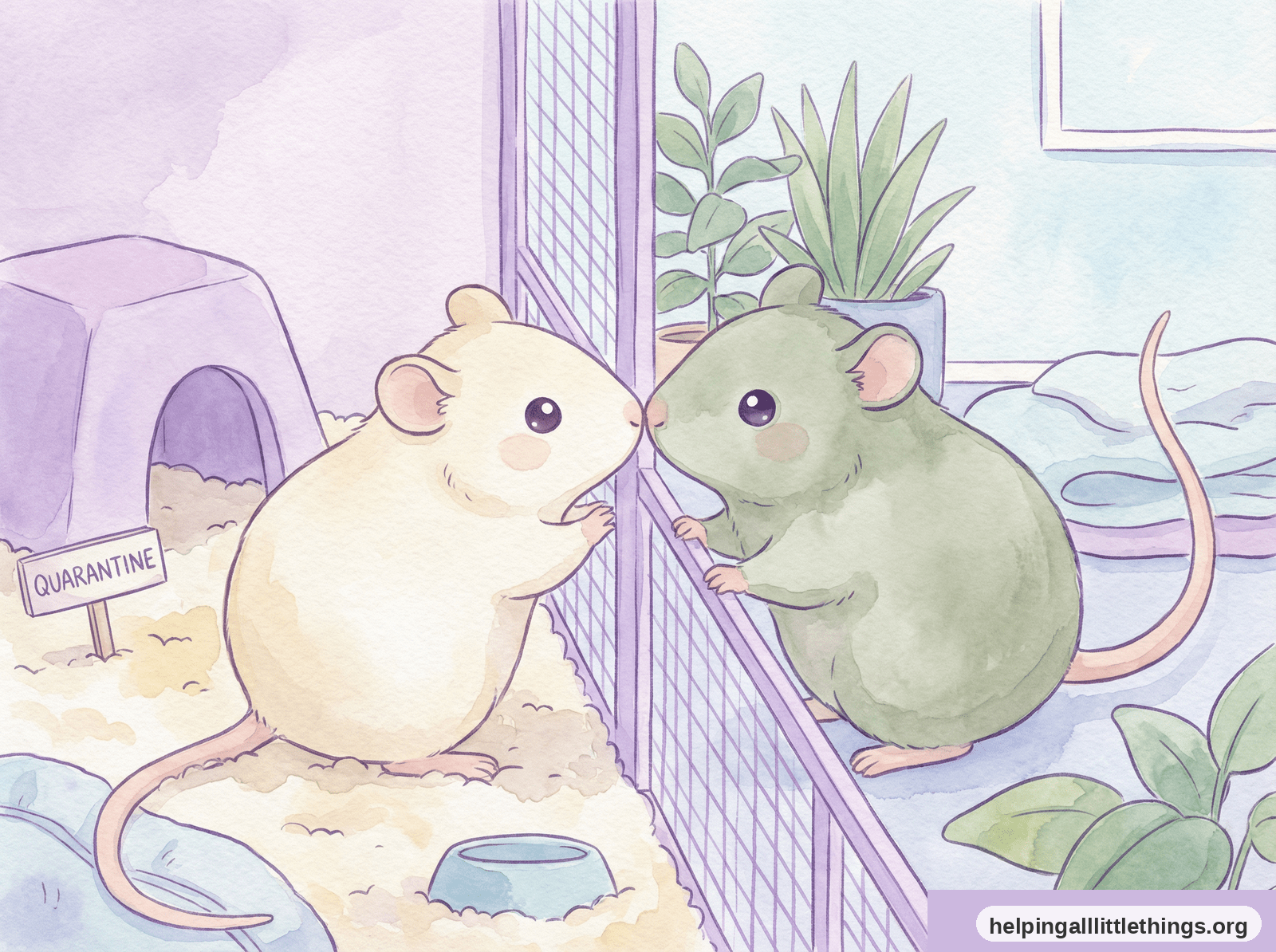

Bringing a new pet into a home with existing animals is an exciting time, but it requires careful planning and patience. To protect the health of your resident pets and ensure a smooth social transition, a strict quarantine period followed by a gradual introduction process is essential. Rushing this process is a common mistake that can lead to disease transmission and social conflict [1].
Part 1: The Quarantine Period
Quarantine is the non-negotiable first step. It is the strict separation of a new animal from all resident animals to prevent the potential spread of contagious diseases and parasites. Many illnesses have an incubation period, meaning an animal can appear perfectly healthy while still being capable of infecting others [2].
The recommended quarantine period for most small pets is a minimum of 30 days. [3]
Setting Up a Quarantine Space
- Separate Room: The new animal must be housed in a completely separate room with a closed door. The ideal quarantine room is one that your resident pets do not have access to.
- No Shared Airspace: If possible, the room should have a separate air supply. At a minimum, ensure there is no nose-to-nose contact under the door.
- Dedicated Supplies: The quarantine room must have its own dedicated food and water dishes, bedding, litter box, toys, and cleaning supplies. Do not share any items between the new pet and your resident pets.
- Strict Biosecurity: Always handle, feed, and clean your resident pets first. After interacting with the new animal, wash your hands and arms thoroughly with soap and water. It is also a good practice to change your shirt or wear a dedicated "quarantine smock" (like an old t-shirt) that stays in that room.
During Quarantine
- Veterinary Exam: Within the first week of arrival, the new pet should have a complete health check-up with a veterinarian. This should include a physical exam, fecal test for parasites, and any other diagnostics recommended for the species.
- Observation: Use this 30-day period to carefully observe the new animal for any signs of illness, such as sneezing, coughing, diarrhea, lethargy, or skin issues. Also, take this time to learn their personality and habits.
Part 2: The Introduction Process
Once the 30-day quarantine is over and the new pet has been cleared by a veterinarian, you can begin the slow and gradual introduction process. The goal is to create positive associations between the animals. This process can take days, weeks, or even months, depending on the species and individual personalities.
Step 1: Scent Swapping
Animals learn a lot about each other through their sense of smell. Before they ever see each other, let them get used to each other's scent.
- Swap bedding or toys between their living areas.
- Rub a cloth on one animal and place it in the other's habitat.
- Do this for several days, watching for signs of curiosity rather than aggression.
Step 2: Neutral Territory Introduction
Their first face-to-face meeting should happen in a neutral space that neither animal considers their own territory, like a bathroom or a hallway.
- Use a Barrier: For the first few meetings, use a baby gate or the bars of two cages placed near each other. This allows them to see and smell each other without physical contact.
- Keep it Short and Sweet: Make the first few sessions very short (5-10 minutes) and end on a positive note. Offer treats and praise to both animals.
- Supervise Closely: Never leave the animals unattended during this phase.
Step 3: Supervised Time Together
If the initial meetings go well, you can allow them to spend short, supervised periods together in the neutral space without a barrier. Watch their body language closely.
- Positive Signs: Sniffing, grooming each other (in some species), or ignoring each other are generally good signs.
- Negative Signs: Hissing, lunging, chasing, biting, or signs of extreme fear indicate you need to slow down and go back a step.
- Provide Distractions: Scatter treats or hay to encourage foraging near each other rather than focusing intensely on one another.
Step 4: Moving into a Shared Space
Once they are consistently calm and comfortable in the neutral territory, you can allow them to spend supervised time in their future shared living space. Before doing so, thoroughly clean the entire habitat to remove territorial scents. Rearrange toys, hideouts, and food bowls to make it feel like a new space for everyone.
By following this patient and methodical process, you give your pets the best possible chance of forming a peaceful and lasting bond.
References
[1] Seattle Humane. (n.d.). Introducing Your New Cat to Your Other Pets. Retrieved from https://www.seattlehumane.org/resource-library/introducing-your-new-cat-to-your-other-pets/
[2] Center for Food Security and Public Health. (n.d.). Livestock Isolation and Quarantine Areas Biosecurity Tip Sheet. Iowa State University. Retrieved from https://www.cfsph.iastate.edu/Assets/tip-sheet-isolation-quarantine.pdf
[3] Orlando Exotic Animal Hospital. (n.d.). Top 10 Reasons Why Every New Exotic Pet Needs a Quarantine Period. Retrieved from https://www.orlandoexoticveterinarian.com/blog/top-10-reasons-why-every-new-exotic-pet-needs-a-quarantine-period/