Understanding Gastrointestinal Issues in Rabbits
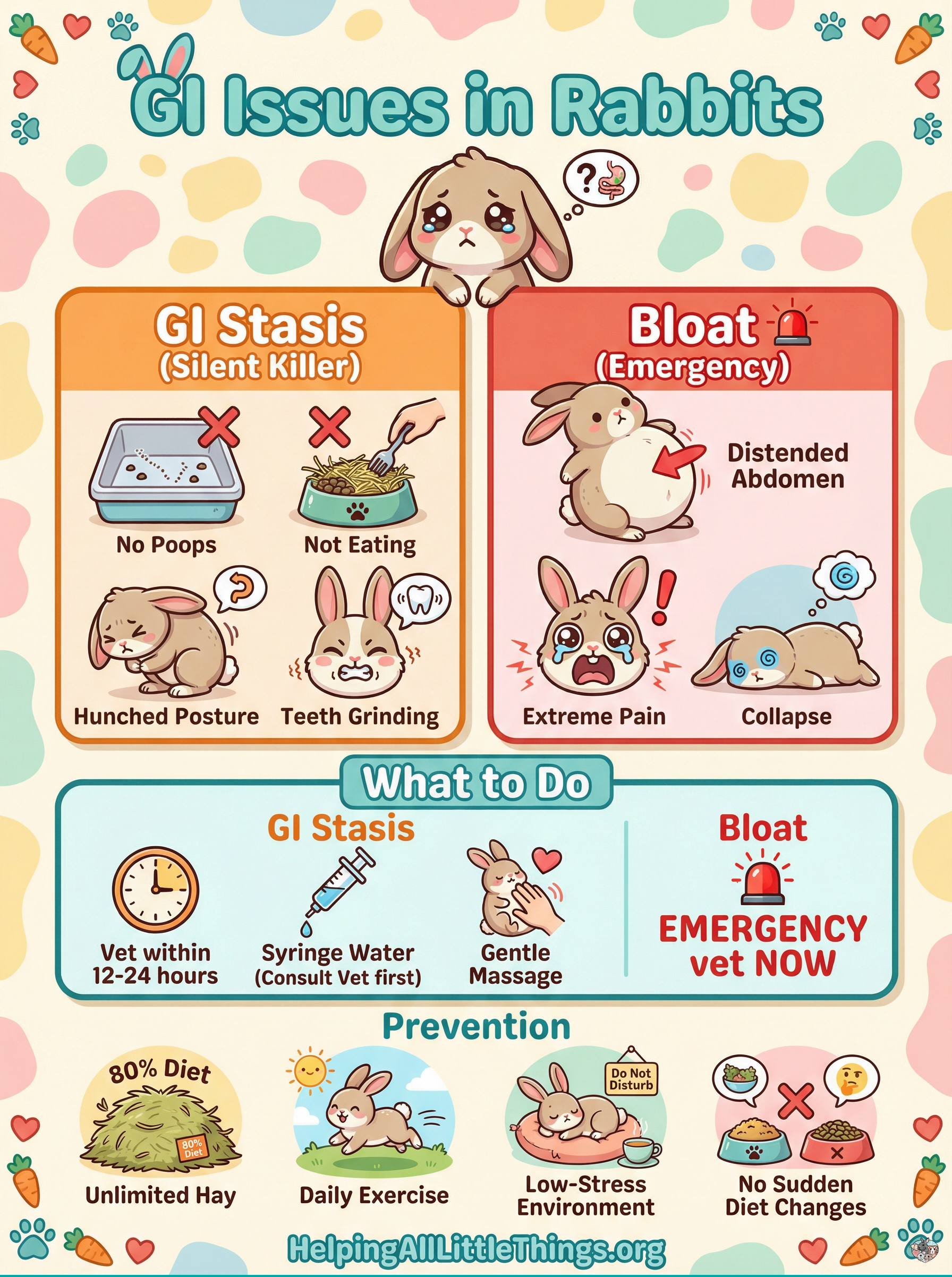

For rabbit owners, understanding and preventing gastrointestinal (GI) issues is paramount to ensuring the health and happiness of their beloved pets. Rabbits have delicate digestive systems, and problems can escalate quickly, often becoming life-threatening if not addressed promptly. This article will delve into common GI problems, their causes, prevention, and treatment, helping you keep your rabbit healthy and thriving.
The Silent Killer: GI Stasis
One of the most common and potentially deadly conditions in rabbits is Gastrointestinal (GI) stasis [1]. This occurs when the digestive tract slows down or completely stops, preventing food from moving through the system. Unlike what many might assume, GI stasis is not a disease in itself but rather a symptom of an underlying problem.
Common causes of GI stasis include [1]:
- Low-fiber diets: A diet lacking sufficient fiber, particularly from hay, is a primary culprit. Hay is crucial for stimulating gut motility.
- Stress: Environmental changes, new companions, or even loud noises can trigger stress, impacting a rabbit's digestive system.
- Dehydration: Insufficient water intake can lead to dry, impacted gut contents.
- Obesity: Overweight rabbits are more prone to GI issues.
- Dental disease: Pain from overgrown or misaligned teeth can deter a rabbit from eating, leading to stasis.
- Pain: Any source of pain, such as urinary tract infections or arthritis, can slow down the gut.
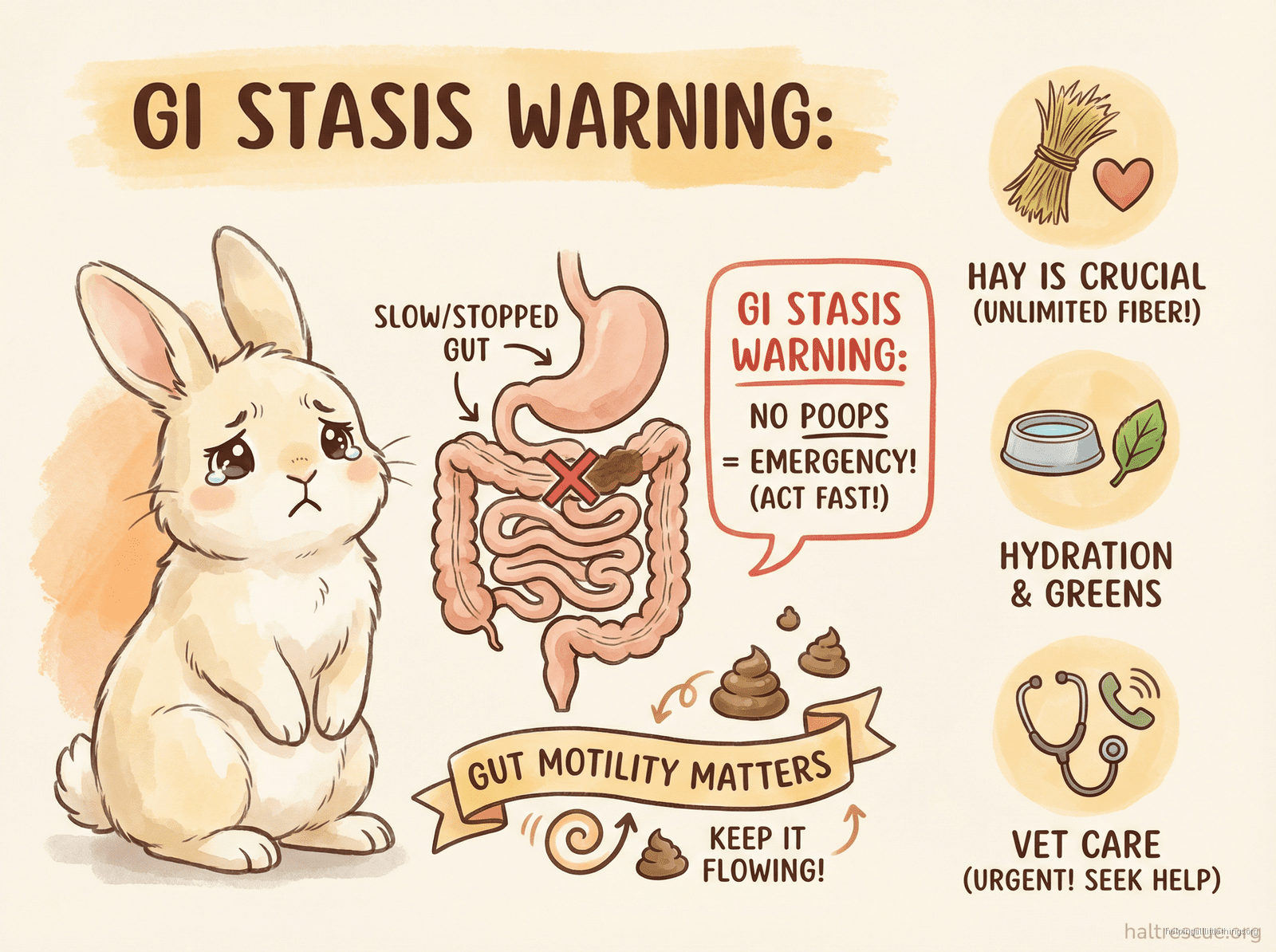
Symptoms of GI stasis can include reduced appetite or refusal to eat, smaller or fewer fecal pellets, lethargy, and a hunched posture indicating pain. If you suspect GI stasis, immediate veterinary attention is crucial.
Understanding Diarrhea and Runny Stool
True diarrhea, characterized by liquid fecal matter, is uncommon in adult rabbits [2]. If you observe runny stool, it is often unformed cecotropes rather than true diarrhea. Cecotropes are nutrient-rich droppings that rabbits re-ingest directly from their anus. Unformed cecotropes typically indicate an imbalance of gut flora, often caused by inappropriate antibiotics or diets high in carbohydrates and low in fiber [2].
It's vital to be aware that certain antibiotics should never be given orally to rabbits, as they can cause fatal dysbiosis (an imbalance of gut bacteria). These include penicillin, ampicillin, amoxicillin, lincomycin, erythromycin, cephalosporin, and clindamycin [2]. Always consult with a rabbit-savvy veterinarian before administering any medication to your rabbit.
Prevention is Key
Preventing GI issues is far easier and safer than treating them. A proactive approach to your rabbit's care can significantly reduce the risk of digestive problems [1, 2]:
- Unlimited Fresh Hay: This is the cornerstone of a healthy rabbit diet. Provide unlimited access to fresh, high-quality hay (such as timothy, orchard, or oat hay) daily.
- Balanced Diet: Supplement hay with a small amount of high-fiber pellets and fresh leafy greens. Avoid sugary treats and excessive fruits.
- Fresh Water: Ensure constant access to fresh, clean water, ideally in both a bowl and a sipper bottle.
- Regular Grooming: Rabbits are meticulous groomers, and ingested hair can contribute to hairballs, which can exacerbate GI stasis. Regular brushing, especially during shedding seasons, can help.
- Exercise: Daily exercise promotes gut motility and overall health.
- Stress Reduction: Provide a calm, safe environment for your rabbit. Minimize sudden changes and loud noises.
- Annual Vet Check-ups: Regular veterinary visits can help detect potential issues early and ensure your rabbit is in optimal health.
Daily prevention habits: Ensure unlimited timothy hay is always available. Provide fresh water in a bowl (not just a sipper bottle). Offer a small amount of leafy greens daily. Brush your rabbit regularly to reduce ingested fur. Monitor droppings every day — a sudden decrease or absence is an early warning sign.
Treatment Approaches
When GI issues arise, prompt and appropriate treatment is essential. For conditions like GI stasis, treatment often involves a multi-faceted approach [1]:
- Fluid Therapy: Subcutaneous or intravenous fluids are crucial for rehydrating the rabbit and softening gut contents.
- Pain Medication: Pain relief is vital, as pain can further inhibit gut motility.
- Gut Motility Drugs: Medications to stimulate the digestive tract can help get things moving again.
- Syringe Feeding: If the rabbit is not eating, critical care formulas can be syringe-fed to provide essential nutrients and fiber.
- Probiotics: Rabbit-specific probiotics can help restore a healthy balance of gut flora.
Surgery is typically a last resort and is only considered for true obstructions that cannot be resolved medically [1].

Further Reading
For more information on rabbit health and care, consider exploring our articles on Rabbit Dental Health and Emergency Preparedness for Pet Owners.
References
[1] Health Problems in Rabbits — VCA Animal Hospitals, Unknown
[2] Disorders and Diseases of Rabbits — Merck Veterinary Manual, 2024
[3] GI Stasis - The Silent Killer — House Rabbit Society, Unknown