Diabetes in Pet Rabbits
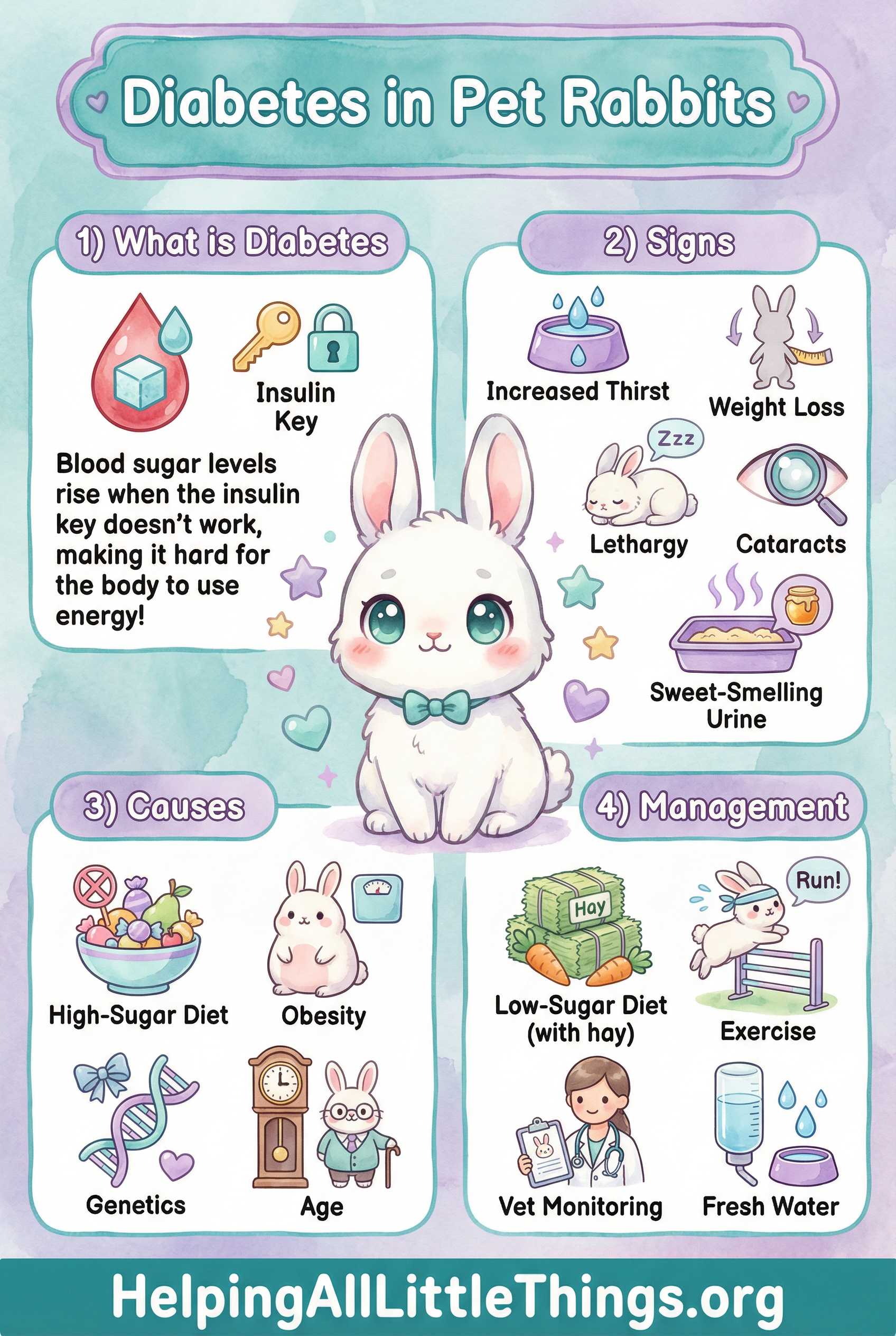

Diabetes is well known in dogs and cats, but it is considerably rarer in rabbits. When it does occur, rabbit diabetes presents unique challenges because of their highly specialized digestive physiology and dietary requirements. Understanding the condition helps owners recognize early signs and work with their veterinarian to manage it effectively.
What Is Diabetes in Rabbits?
Diabetes mellitus is a metabolic disorder in which the body cannot properly regulate blood glucose (sugar). Normally, the pancreas produces insulin, which allows cells to absorb glucose for energy. In diabetes, either insufficient insulin is produced (Type 1) or the body's cells become resistant to it (Type 2), causing glucose to accumulate in the bloodstream.
Rabbits have a unique glucose metabolism compared to other mammals. Their blood glucose levels are naturally higher than in dogs or cats, and they are generally resistant to developing diabetes. However, the condition can occur — particularly in rabbits fed inappropriate diets high in simple sugars and starch.[1]
Causes and Risk Factors
- Inappropriate diet — diets high in fruit, starchy vegetables, sugary treats, or commercial pellets fed in excess are the leading dietary risk factor
- Obesity — excess body fat promotes insulin resistance
- Genetics — some individual rabbits may have a hereditary predisposition
- Age — older rabbits (5+ years) are at higher risk
- Chronic stress — prolonged stress can disrupt hormonal balance and glucose regulation
- Underlying illness — conditions affecting the pancreas, liver, or adrenal glands can secondarily cause elevated blood glucose
Signs and Symptoms
Because rabbits are prey animals that instinctively hide illness, diabetes can be difficult to detect early. Signs to watch for include:
- Increased thirst — drinking noticeably more water than usual
- Increased urination — wet, heavily soiled bedding; urine may smell sweet
- Weight loss despite normal or increased appetite
- Lethargy — less active, reluctant to move or play
- Cataracts — cloudiness of the lens of the eye (less common in rabbits than in dogs)
- Poor coat condition — rough, dull, or unkempt fur
- Recurrent infections — high blood glucose impairs immune function
Rabbits naturally have higher blood glucose than many mammals, so a single elevated reading does not always indicate diabetes. Diagnosis requires multiple measurements and clinical evaluation by a veterinarian.
Diagnosis
Diagnosis requires veterinary assessment:
- Blood glucose measurement — multiple readings over time to distinguish true hyperglycemia from stress-induced elevation (which is very common in rabbits)
- Urinalysis — glucose in the urine (glucosuria) is a key indicator
- Blood chemistry panel — to assess kidney and liver function and rule out other causes of elevated glucose
- Fructosamine test — measures average blood glucose over the past 2–3 weeks, helping distinguish chronic hyperglycemia from acute stress response[2]
- Physical examination — body condition scoring, weight, hydration status
Management
There is no cure for diabetes in rabbits, but the condition can be managed:
Dietary Correction
Dietary management is the cornerstone of treatment:
- Unlimited grass hay (timothy, orchard grass, meadow hay) should make up 80–90% of the diet — hay is low in sugar and essential for GI health
- Remove all fruit and sweet treats immediately
- Limit or eliminate starchy vegetables (carrots, corn, peas, parsnips)
- Reduce pellets — if fed at all, use high-fiber, low-starch pellets in limited quantities (1–2 tablespoons per 2 kg body weight)
- Safe vegetables in small amounts: leafy greens (romaine lettuce, kale, herbs), cucumber, celery
Weight Management
- Weigh your rabbit weekly; track trends
- Gradual weight loss through diet adjustment (rapid weight loss can trigger GI stasis)
Exercise
- Ensure your rabbit has ample space to run, jump, and explore daily
- Minimum 3–4 hours of free-roaming time outside the enclosure
Veterinary Monitoring
- Regular check-ups every 3–6 months
- Periodic blood and urine glucose monitoring
- Assessment for complications (cataracts, kidney disease, infections)
Medical Treatment
- Insulin therapy is rarely used in rabbits due to the extreme difficulty of dosing at appropriate levels for a small animal and the risk of hypoglycemia
- A veterinarian may recommend oral hypoglycemic agents in some cases
- Treat any underlying conditions contributing to elevated glucose
Prognosis
With appropriate dietary management and veterinary monitoring, many rabbits with diabetes can maintain a good quality of life. The prognosis is best when the condition is caught early and dietary changes are made promptly.
References
[1] Harcourt-Brown, F. (2002). Textbook of Rabbit Medicine. Butterworth-Heinemann.
[2] Quesenberry, K.E., Mans, C., & Orcutt, C.J. (2020). Ferrets, Rabbits, and Rodents: Clinical Medicine and Surgery (4th ed.). Elsevier.
[3] Varga, M. (2013). Textbook of Rabbit Medicine (2nd ed.). Butterworth-Heinemann.
[4] Carpenter, J.W. (2018). Exotic Animal Formulary (5th ed.). Elsevier.