Respiratory Issues in Rabbits ("Snuffles")
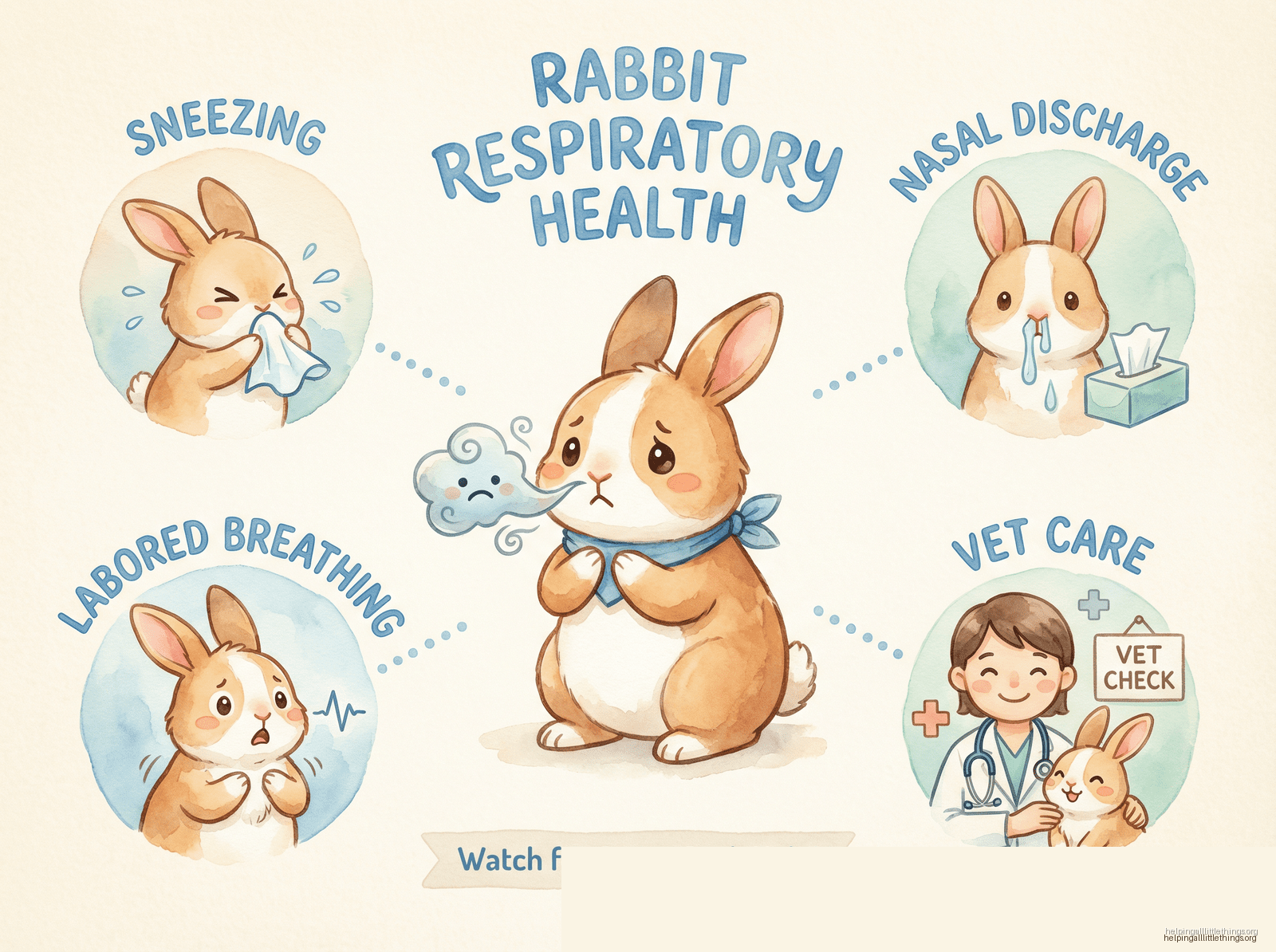

"Snuffles" is the common term for an upper respiratory infection (URI) in rabbits. While it may sound cute, it is a serious condition that can lead to chronic, lifelong health problems and may progress to fatal pneumonia if not managed correctly. These infections are most famously caused by the bacterium Pasteurella multocida, but other bacteria can also be involved.
The Cause: Pasteurella and Other Bacteria
Many rabbits are exposed to Pasteurella multocida at a young age and become asymptomatic carriers. The bacteria reside in their nasal passages, held in check by a healthy immune system. However, during times of stress, the bacteria can multiply and cause an active infection. Other bacteria, such as Bordetella bronchiseptica (the same bacteria that causes kennel cough in dogs), can also cause respiratory infections in rabbits.
Triggers for an infection include:
- Stress: This is the number one trigger. Stress can come from a poor diet, a dirty or small cage, the loss of a bonded companion, or a move to a new home.
- Poor Ventilation: High levels of ammonia from urine buildup in a poorly ventilated cage are highly irritating to the respiratory tract.
- Dental Disease: Overgrown upper tooth roots can obstruct the nasal passages, causing inflammation and creating an environment ripe for infection.
Signs of a Respiratory Infection
The classic signs of "snuffles" involve the nose, eyes, and breathing.
- Nasal Discharge: This is the hallmark sign. The discharge is typically white and thick. You will often see it caked on the inside of the rabbit's front paws, as they use them to wipe their nose.
- Sneezing: A persistent, wet-sounding sneeze.
- Watery Eyes (Conjunctivitis): The infection can easily travel up the tear ducts, causing redness, swelling, and discharge from the eyes.
- Noisy Breathing: You may hear snorting, gurgling, or wheezing sounds.
The Progression of Disease
If a Pasteurella infection is not controlled, it can spread from the nasal passages to other parts of the body, causing much more serious problems.
- Pneumonia: The infection can travel down to the lungs, causing life-threatening pneumonia.
- Head Tilt (Torticollis): The infection can spread to the inner ear, causing inflammation that disrupts the rabbit's sense of balance, resulting in a persistent head tilt.
- Abscesses: The bacteria can form abscesses (pockets of thick pus) anywhere in the body, including in the tooth roots, in the jaw, or under the skin.
Diagnosis and Management
Any rabbit with a white nasal discharge needs to see a rabbit-savvy veterinarian.
- Diagnosis: The vet will often diagnose a URI based on the clinical signs. A culture of the nasal discharge can identify the specific bacteria, and a chest x-ray is needed to rule out pneumonia.
- Treatment: Pasteurella is a notoriously difficult bacterium to eliminate. Treatment focuses on controlling the infection and making the rabbit comfortable.
- Long-Term Antibiotics: A long course of antibiotics (often 4-6 weeks or more) is usually required. Penicillin injections are often the most effective treatment for severe Pasteurella infections.
- Supportive Care: If the rabbit is not eating, supportive care for GI stasis is critical. Nebulization with a saline solution can also help to break up congestion.
Living with a Chronic Condition
For many rabbits, "snuffles" becomes a chronic condition that may flare up periodically throughout their lives. The key to management is to provide excellent husbandry to support their immune system.
- Low-Stress Environment: A calm, stable environment is crucial.
- Excellent Diet: A high-fiber diet of unlimited hay supports overall health.
- Impeccable Hygiene: The cage must be kept very clean to ensure excellent air quality.
While a diagnosis of "snuffles" can be serious, many rabbits can live long, happy lives with a dedicated owner and a dedicated owner and a good veterinary team-savvy veterinarian who can manage the condition effectively.