Home Health Care for Your Rabbit
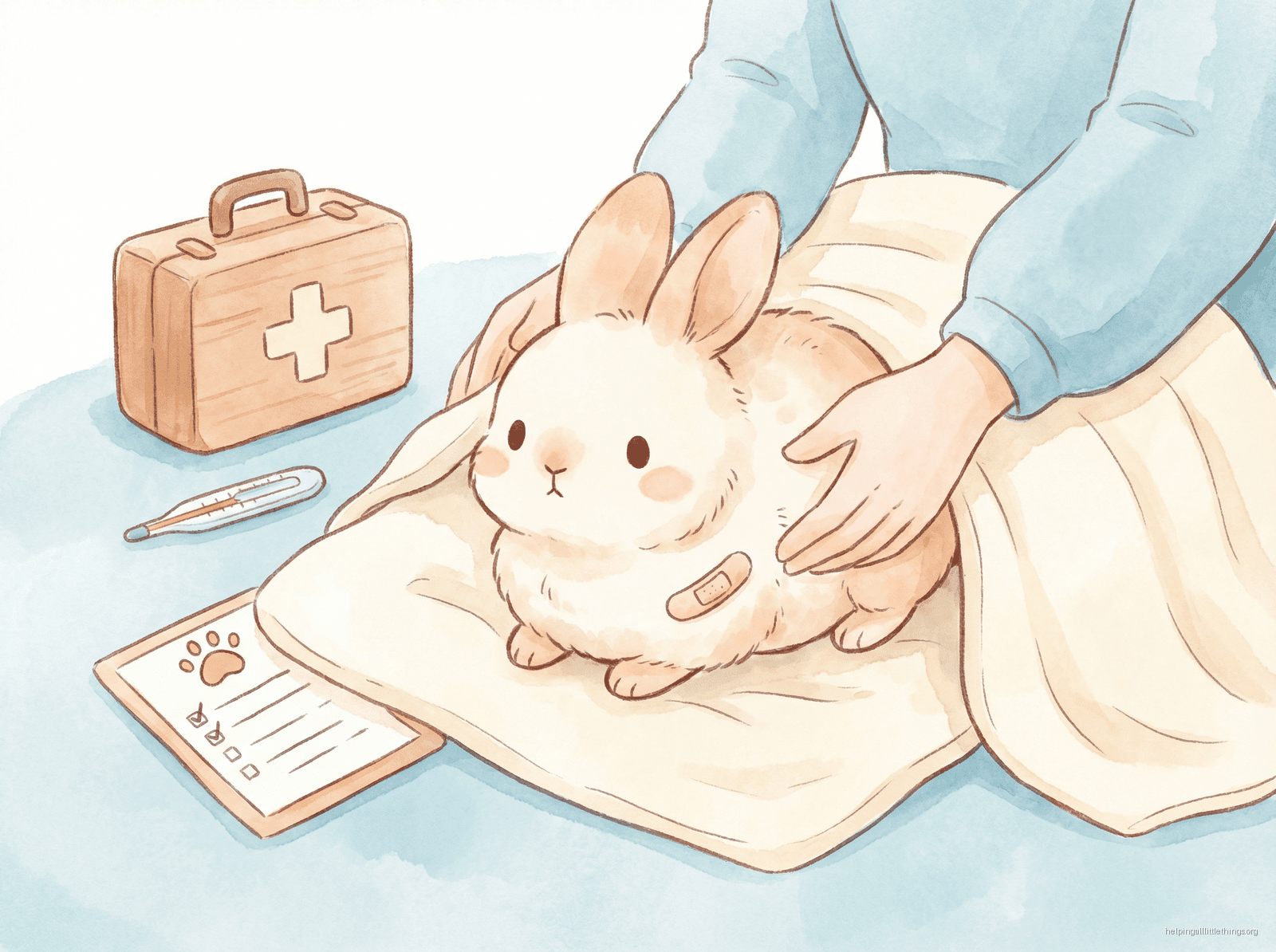

Caring for a rabbit can be a deeply rewarding experience, bringing joy and companionship to your home. These intelligent and social creatures, capable of living up to 12–15 years, thrive with proper care and attention [1]. Understanding their unique needs — from diet to dental health and disease prevention — is crucial for ensuring a long and happy life for your furry friend. This guide walks you through essential aspects of home health care for your rabbit.
Creating a Safe and Stimulating Environment
Rabbits are naturally curious and require mental stimulation and social interaction to flourish [1]. While they can be litter trained, it is important to choose appropriate substrates. Ideal options include hay, soft recycled paper bedding, or shredded paper. Avoid clay litter, as it poses a risk of intestinal blockage if ingested [1].
Proper handling is paramount to prevent injuries. Always support your rabbit's chest and hindquarters when picking them up to avoid spinal damage [1]. Unsupervised roaming is not recommended without rabbit-proofing first — rabbits have a tendency to chew on electrical cords and ingest carpet fibers, both of which can lead to serious health issues including intestinal blockages [1].
The Importance of Spaying and Neutering
Spaying or neutering your rabbit is a critical step for both their health and responsible pet ownership. Beyond population control, these procedures significantly aid in behavioral management and reduce the risk of reproductive cancers [1]. An intact female rabbit can produce up to 14 kits per litter, potentially leading to over 100 offspring annually [1].
Nutritional Cornerstones: A Hay-Based Diet
The foundation of a rabbit's diet should be unlimited high-quality grass hay such as timothy, orchard, or brome hay [2]. This is vital for their digestive health and helps maintain proper teeth alignment, as rabbit teeth grow continuously throughout their lives [2].
| Food Type | Recommendation |
|---|---|
| Grass hay (timothy, orchard, brome) | Unlimited; the cornerstone of the diet [2] |
| Alfalfa hay | Not suitable for adult rabbits — too high in protein and calcium [2] |
| Timothy pellets | Approximately 1/8 to 1/4 cup per 5 lbs (2.25 kg) of body weight daily; overfeeding causes obesity [2] |
| Leafy green vegetables | 1/4 to 1/2 cup daily; introduce new greens slowly [2] |
| High-carb vegetables (carrots, etc.) | Sparingly only — treat, not staple [2] |
| Iceberg lettuce / celery | Minimal nutritional value; avoid or limit [2] |
| Cookies, nuts, seeds, grains, bread | Strictly avoid [2] |
| Fruit | Very limited quantities (1–2 tablespoons, 1–2 times per week) due to high sugar content [2] |
| Fresh water | Constant access is essential [2] |
Dental Health
Chew toys are vital for maintaining dental health due to continuously growing teeth [2]. Providing a variety of safe chew toys — untreated wood, cardboard, and natural fiber toys — helps prevent dental problems and keeps your rabbit mentally engaged.
Digestive Health and GI Stasis
Coprophagy — the consumption of cecotropes (soft, nutrient-rich fecal pellets) — is a normal and necessary behavior for rabbits to absorb essential nutrients including protein and vitamins B and K [2]. Never discourage this behavior.
GI stasis is a common and serious condition in rabbits, often going unnoticed because rabbits instinctively hide signs of discomfort as prey animals [3]. Symptoms include decreased food and water intake, no droppings, a hunched posture, and teeth grinding [3]. Hair chewing can also indicate a low-fiber diet; a high-fiber diet and daily grooming help prevent hairballs [3].
Treatment for GI stasis requires veterinary care and typically involves aggressive fluid management, pain medication, and motility stimulants once the rabbit is hydrated and pain is managed [3]. Oral force-feeding is discouraged if the GI tract is full or distended, and mineral oil and laxatives are ineffective for removing hair masses [3].
Prevention includes a high-fiber diet, stress reduction, obesity prevention, environmental enrichment, and daily grooming [3].
If your rabbit has not produced droppings within 12 hours and is not eating, contact a rabbit-savvy vet immediately. GI stasis can become life-threatening within 24–48 hours.
Skin and Coat Care
Dermatological problems are common in rabbits and can include scaling, crusting, nodules, odor, and non-healing wounds [4]. Infectious causes of itching can manifest as hair loss, scaling, and greasy skin [4]. A veterinarian may recommend topical antimicrobial shampoos for skin infections [4].
Regular brushing is especially important during shedding seasons. Long-haired breeds such as Angoras require daily grooming to prevent mats and wool block [5].
Nail Trims
Nail trims are typically needed every 4–8 weeks [3]. For light-colored nails, the quick (blood vessel) is visible, making trimming easier. For dark nails, backlighting with a flashlight can help locate the quick. If the quick is accidentally cut, styptic powder or cornstarch can be applied to stop bleeding [3].
When to Seek Veterinary Care
Recognizing the subtle signs of illness in rabbits is crucial. Any significant change in eating habits, lethargy, unusual behavior, or absence of droppings warrants a prompt visit to a rabbit-savvy veterinarian. Early intervention can make a significant difference in the outcome of many conditions.
For more information on related topics, see our articles on GI Issues in Rabbits and RVHD2 Vaccination.
References
[1] Rabbits as Pets — VCA Animal Hospitals
[2] Feeding Your Rabbit — VCA Animal Hospitals, 2023
[3] Noninfectious Diseases of Rabbits — Merck Veterinary Manual, 2021
[4] Dermatological Problems in Animals — Merck Veterinary Manual, 2025
[5] Grooming Tips — House Rabbit Society