Mouse Basic Care
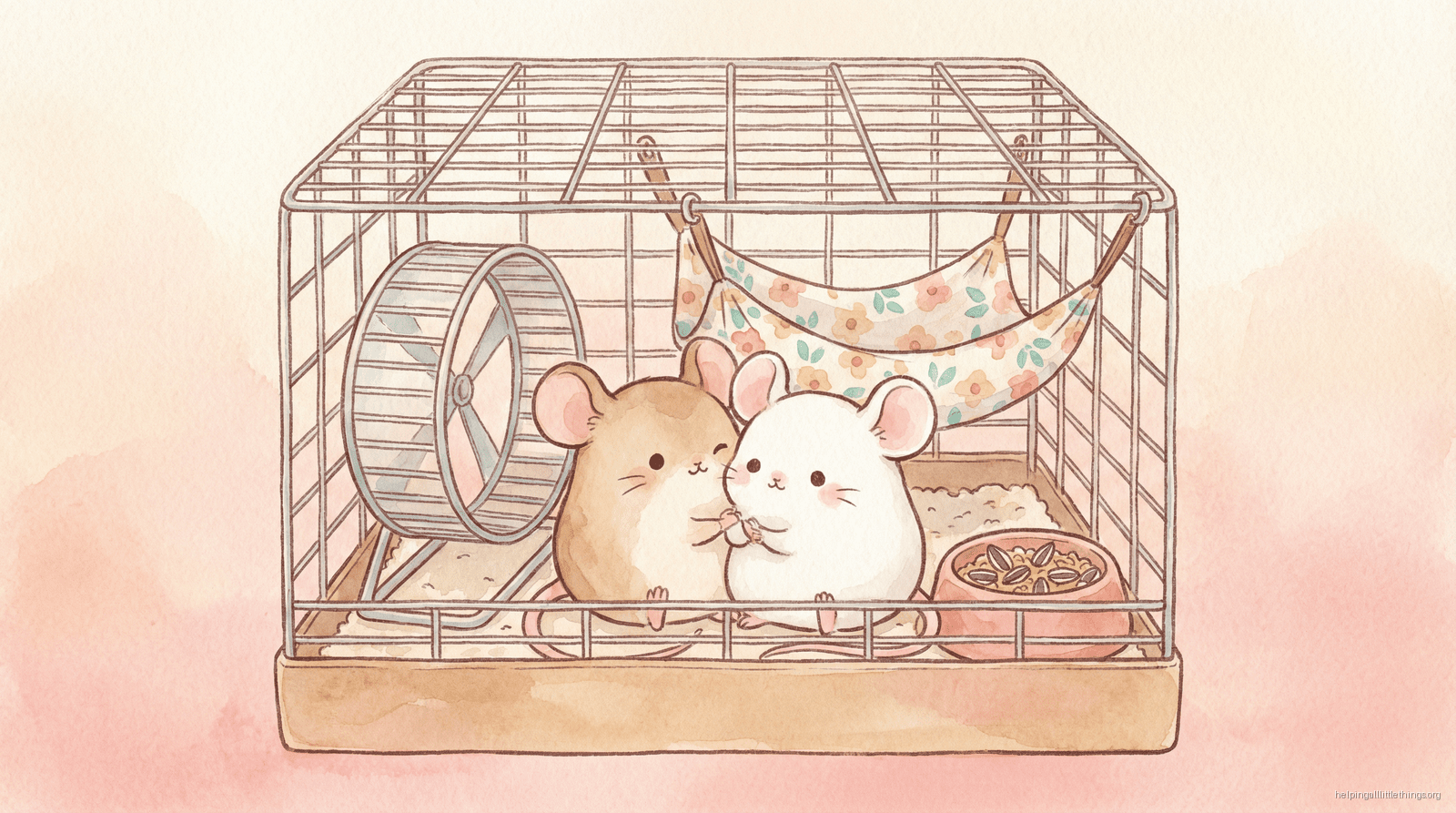

Mice are intelligent, social, and active little animals that can make engaging pets. Proper care is essential to ensure they live a full and stimulating life. This guide outlines the key aspects of caring for pet mice.
Social Needs
The social needs of mice are dictated by their sex, and providing the correct environment is crucial for their well-being.
-
Females: Female mice are highly social and thrive in groups. Keeping them alone can cause significant stress. They should be kept in same-sex groups of three or more, where they will groom each other, sleep together, and interact constantly. [1]
-
Males: Male mice are notoriously territorial and will often fight aggressively with other males once they reach maturity, sometimes to the death. For this reason, male mice must be housed alone. [2] A solitary male will require more enrichment and human interaction to compensate for the lack of a cage mate.
Daily Care
- Food and Water: Check their food and provide fresh water daily. A sipper bottle is cleaner than a bowl. Mice have a high metabolism and should always have access to food.
- Health Check: Observe your mice for any changes in behavior, such as lethargy, lack of appetite, or reclusiveness. Look for a clean coat, clear eyes, and normal droppings.
- Spot Cleaning: Remove any soiled bedding or old food to maintain a clean environment.
Weekly Care
- Enrichment: Mice are very smart and get bored easily. Rotate their toys, rearrange the cage layout, and provide new cardboard tubes or boxes to explore.
- Cage Check: Inspect the cage for any chewed areas or potential escape routes. Ensure all toys and the wheel are in good working order.
Bi-Weekly Care
- Full Cage Clean: A full cleaning should be done every 1-2 weeks.
- Place your mice in a secure temporary carrier.
- Remove all bedding and accessories.
- Wash the cage and all items with a pet-safe cleaner.
- Dry everything thoroughly and refill with 4-6 inches of fresh bedding.
- To reduce stress, you can mix a small amount of the old, unsoiled bedding back in to retain their scent.
Handling Your Mice
Building trust is key to a good relationship with your mice.
- Taming: Start by offering treats (like a sunflower seed) from your open palm. Let them come to you. Once they are comfortable, you can gently scoop them up.
- Handling: Hold them in your cupped hands. Never squeeze them or pick them up by the tail, as it can be easily injured.
References
[1] Wood Green. (n.d.). Keeping mice: How many should live together? Retrieved from https://woodgreen.org.uk/pet-advice/mice/how-many-mice-should-you-keep/
[2] RSPCA. (n.d.). Keeping Mice Together. Retrieved from https://www.rspca.org.uk/adviceandwelfare/pets/rodents/mice/company