Dangerous Treats and Toys for Hamsters
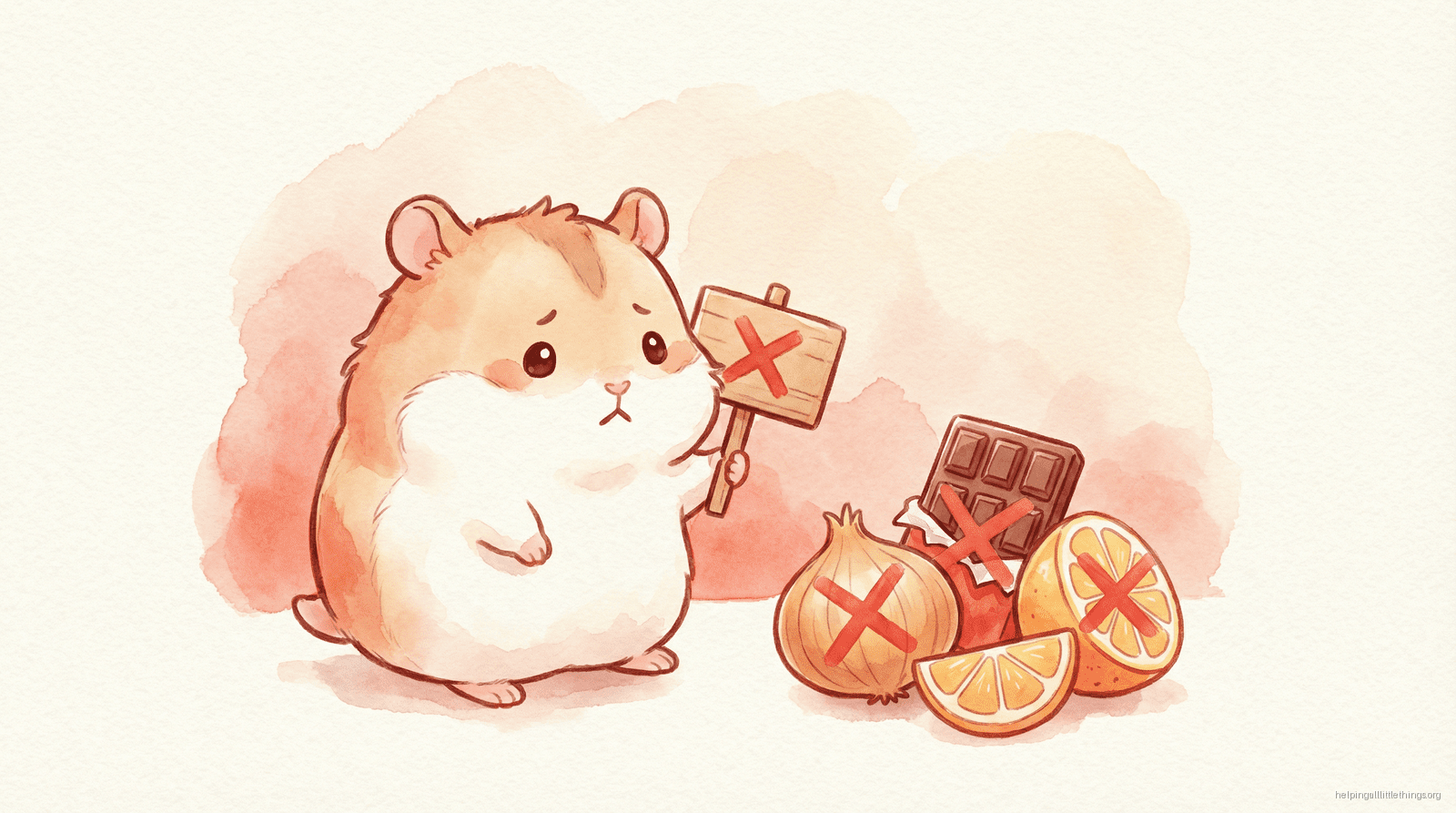

Hamsters are curious creatures that love to forage, hoard, and chew. While they are generally more robust in their dietary needs than some other small pets, there is still a great deal of misinformation and many unsafe products marketed towards them. Knowing what treats and toys are dangerous is essential to keeping your hamster safe and healthy.
Dangerous Treats
A hamster's diet should be based on a high-quality commercial hamster food mix, supplemented with small amounts of safe fresh foods. Many human foods and commercial treats are inappropriate or toxic.
Absolutely to Avoid:
- Sugary and Salty Human Foods: Chocolate, candy, chips, and other junk food are toxic to hamsters.
- Citrus Fruits: Oranges, lemons, grapefruits, etc., are too acidic and can cause digestive upset.
- Almonds: Bitter almonds contain cyanide and are highly toxic.
- Certain Vegetables: Raw beans, onions, garlic, and rhubarb are toxic.
- Excessive Watery Veggies: While a small piece of cucumber or lettuce is okay, too much can cause diarrhea.
- Commercial "Yogurt Drops": These are very high in sugar and offer no health benefits.
| Unsafe Treat Category | Why It's Dangerous |
|---|---|
| Human Junk Food | Toxic, unhealthy, can cause severe digestive problems. |
| Citrus Fruits | Too acidic for their digestive system. |
| Almonds | Can contain cyanide; highly toxic. |
| Certain Vegetables | Toxic and can cause serious illness. |
Dangerous Toys, Bedding, and Accessories
Enrichment is vital for a hamster, but many popular products are extremely hazardous.
-
"Fluffy" Bedding / Nesting Material: This is arguably the most dangerous hamster product sold in pet stores. Cotton-like or fibrous nesting material is deadly. The long fibers can get wrapped around a hamster's tiny limbs, cutting off circulation and leading to the need for amputation. If ingested, it causes fatal intestinal blockages. Never use this product. Safe alternatives include shredded toilet paper or aspen shavings.
-
Cedar and Non-Kiln-Dried Pine: These woods release toxic aromatic oils (phenols) that cause severe respiratory and liver damage. They should never be used as bedding or chew toys.
-
Small, Inadequate Cages: Many commercial hamster cages are far too small to meet a hamster's needs, leading to stress and behavioral problems like bar-chewing. A hamster needs a large, uninterrupted floor space with deep bedding for burrowing.
-
Exercise Wheels of Improper Size: Most wheels included with hamster cages are too small, especially for Syrian hamsters. Running on a wheel that is too small forces the hamster to arch its back, leading to painful spinal problems. A Syrian hamster needs a wheel that is at least 10-12 inches in diameter; dwarf hamsters need at least an 8-inch wheel. The wheel should also have a solid surface, not wire mesh, to prevent foot injuries.
-
Exercise Balls: These are very controversial. They have poor ventilation, can lead to overheating, and don't allow the hamster to properly use its whiskers or sense of smell. A fall down the stairs in an exercise ball can be fatal. A large, supervised playpen is a much safer way to provide out-of-cage time.
-
"Snak Shak" and Edible Logs: These are made of sawdust and honey/sugar. The sugar is unhealthy, and the sawdust can cause blockages if ingested.
By avoiding these dangerous items and focusing on providing a large, safe habitat with deep bedding and a properly sized wheel, you can ensure your hamster has the enriched and safe life it deserves.