Seasonal Alopecia in Hamsters
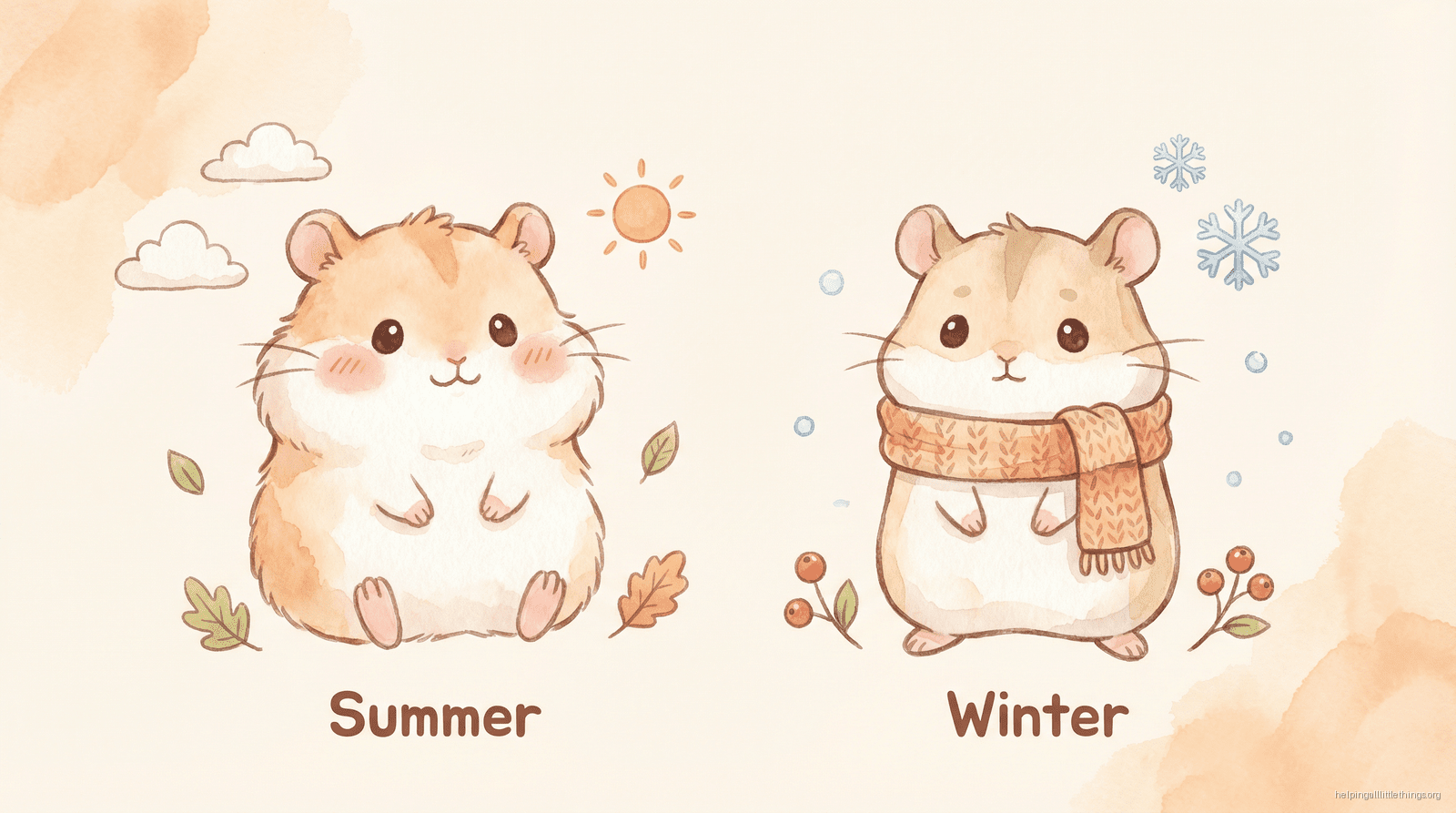

Seasonal alopecia is a specific and interesting type of hair loss that can occur in hamsters, most notably in male Syrian hamsters. It is a benign, hormone-driven condition that is linked to the changing seasons and length of daylight. While the sight of hair loss can be alarming, this particular type is harmless and resolves on its own.
What it Looks Like
The hair loss in seasonal alopecia is very characteristic:
- Location: It typically occurs on the flanks and over the hips, often in a symmetrical pattern.
- Appearance: The fur thins out, sometimes leaving completely bald patches. The underlying skin usually looks healthy, with no signs of irritation, redness, or scabbing.
- Timing: It almost always occurs during the winter months when the days are shorter.
The Cause: Hormones and Daylight
Seasonal alopecia is thought to be caused by a natural, hormone-driven response to the decrease in daylight hours during the winter. In the wild, changes in daylight regulate a hamster's reproductive cycle and metabolism to prepare for the winter. In our pet hamsters, this hormonal fluctuation can manifest as hair loss.
- Testosterone: The condition is linked to changes in testosterone levels, which is why it is most commonly seen in male hamsters.
- Genetics: There may also be a genetic component, as it seems to be more common in certain lines of Syrian hamsters.
Differentiating from Other Causes of Hair Loss
It is important to distinguish seasonal alopecia from other, more serious causes of hair loss. Your veterinarian will help you rule out other possibilities:
- Mites: Mite infestations (demodicosis) can cause hair loss, but the skin is often flaky or irritated, and it is usually a sign of an underlying systemic disease.
- Ringworm: This fungal infection causes circular patches of hair loss with crusty or flaky skin.
- Poor Nutrition: A diet deficient in protein or certain vitamins can lead to a poor coat and hair loss.
- Cage Rub: Constant rubbing on a cage, wheel, or other accessory can cause hair to wear away in a specific spot.
- Kidney or Adrenal Disease: In older hamsters, hair loss can be a sign of a serious internal disease.
Treatment and Prognosis
There is no treatment required for seasonal alopecia. It is a cosmetic issue, not a health problem. As the days begin to get longer in the spring, the hamster's hormones will shift again, and the fur will grow back completely.
If you notice your hamster losing fur in the characteristic pattern during the winter, and they are otherwise eating, drinking, and behaving normally, it is likely seasonal alopecia. However, it is always wise to consult with a veterinarian to rule out any other potential health problems, especially if the hair loss is accompanied by any other signs of illness.