Gastrointestinal (GI) Health in Hamsters
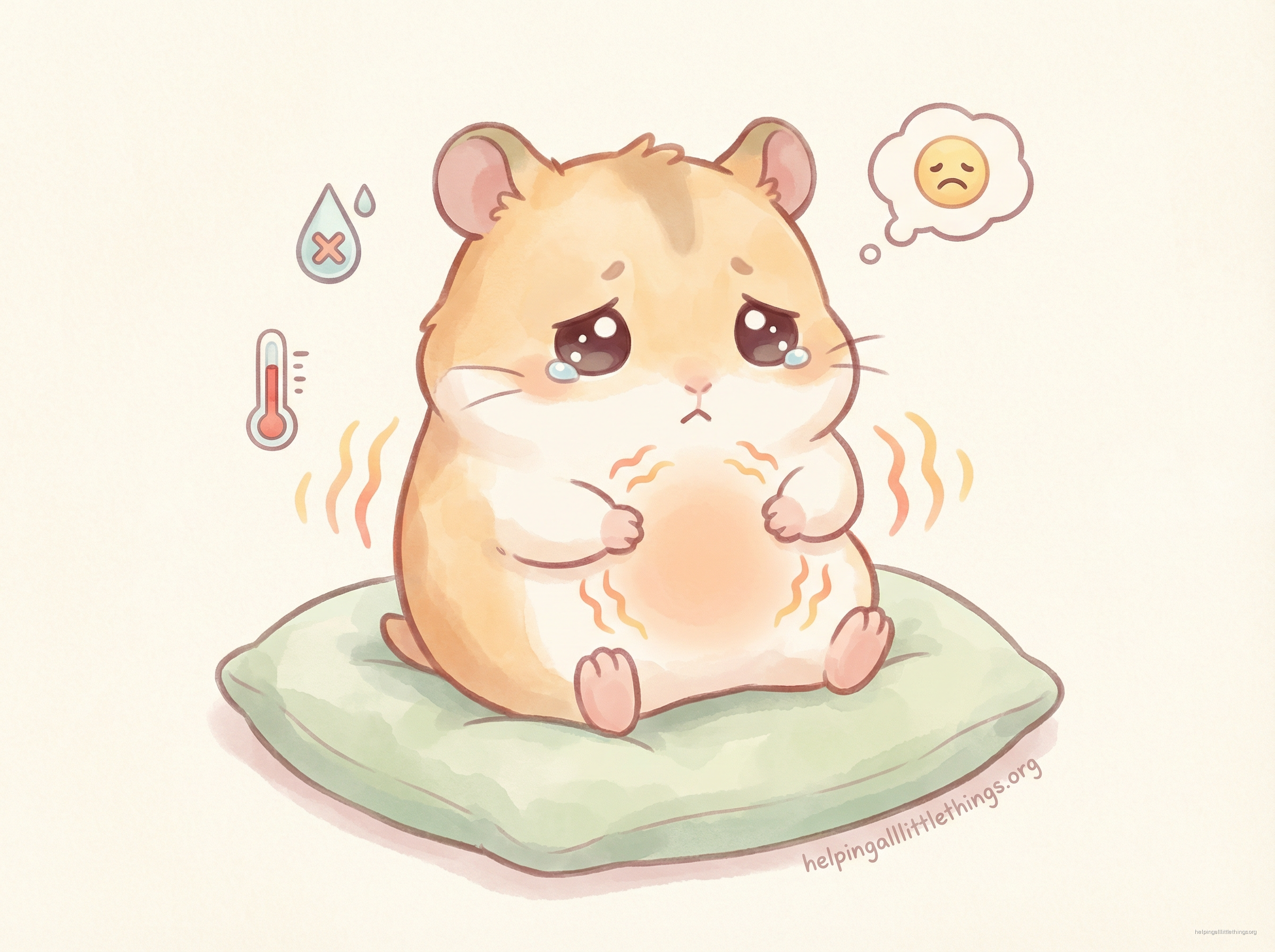
Share this infographic:

A hamster's gastrointestinal (GI) tract is generally robust, but it can be susceptible to serious issues, most notably diarrhea. Unlike the complex digestive systems of herbivores, a hamster's gut is simpler, but it is sensitive to stress and bacterial imbalances. Any instance of diarrhea in a hamster should be treated as a serious concern, as it can be a symptom of the life-threatening condition known as Wet Tail.
Common GI Problems in Hamsters
-
Diarrhea:
- Causes: Simple diarrhea can be caused by several factors:
- Dietary Changes: A sudden change in their seed mix.
- Too Many Fresh Foods: Overfeeding watery vegetables or fruits can easily upset their system.
- Stress: Environmental stressors like a new cage, loud noises, or improper handling can trigger digestive upset.
- Signs: Soft or unformed stools. The hamster may have some soiled fur around its tail, but it is not the profuse, watery mess seen with Wet Tail.
- Action: If you suspect simple diarrhea, immediately stop feeding all fresh foods. Ensure the hamster has access to fresh water and its regular dry food mix. If the condition does not resolve within 24 hours, or if the hamster becomes lethargic, you must see a vet.
- Causes: Simple diarrhea can be caused by several factors:
-
Wet Tail (Proliferative Ileitis):
- This is not just diarrhea; it is a specific, highly contagious, and often fatal bacterial disease. It is most common in young, recently weaned Syrian hamsters, particularly those from pet store environments where stress levels are high.
- Cause: While stress is a major trigger, the disease is caused by the bacterium Lawsonia intracellularis. This bacterium causes a severe inflammation and thickening of the small intestine.
- Signs: The signs are severe and come on rapidly:
- Profuse, watery diarrhea that soaks the hamster's entire back end.
- A distinctly foul odor.
- Extreme lethargy and a hunched, pained posture.
- Loss of appetite and refusal to drink.
- A wet and matted appearance of the tail and abdomen, giving the disease its name.
- Action: Wet Tail is a critical emergency. The hamster must see a veterinarian immediately. Treatment involves aggressive supportive care with subcutaneous fluids to fight dehydration, antibiotics to combat the bacterial infection, and anti-diarrheal medications. The prognosis is very poor, and many hamsters succumb to the disease within 48 hours even with treatment.
Prevention of GI Issues
- Stable Diet: Feed a high-quality commercial hamster food mix and avoid sudden changes. Introduce new foods gradually.
- Limit Fresh Foods: Vegetables and fruits should be small, occasional treats, not a daily meal.
- Minimize Stress: This is the most important preventative measure, especially for young Syrian hamsters. When you first bring a hamster home, give it several days to acclimate in a quiet environment before you begin handling it.
- Good Hygiene: Keep the cage clean to reduce the bacterial load in the environment.
- Quarantine: If you have other hamsters, always quarantine a new arrival in a separate room for at least 3-4 weeks to monitor for any signs of illness before introducing them to the same space.
Because of the speed and severity of Wet Tail, any hamster with signs of diarrhea should be assessed by a veterinarian to rule out this deadly disease.