Diabetes in Gerbils
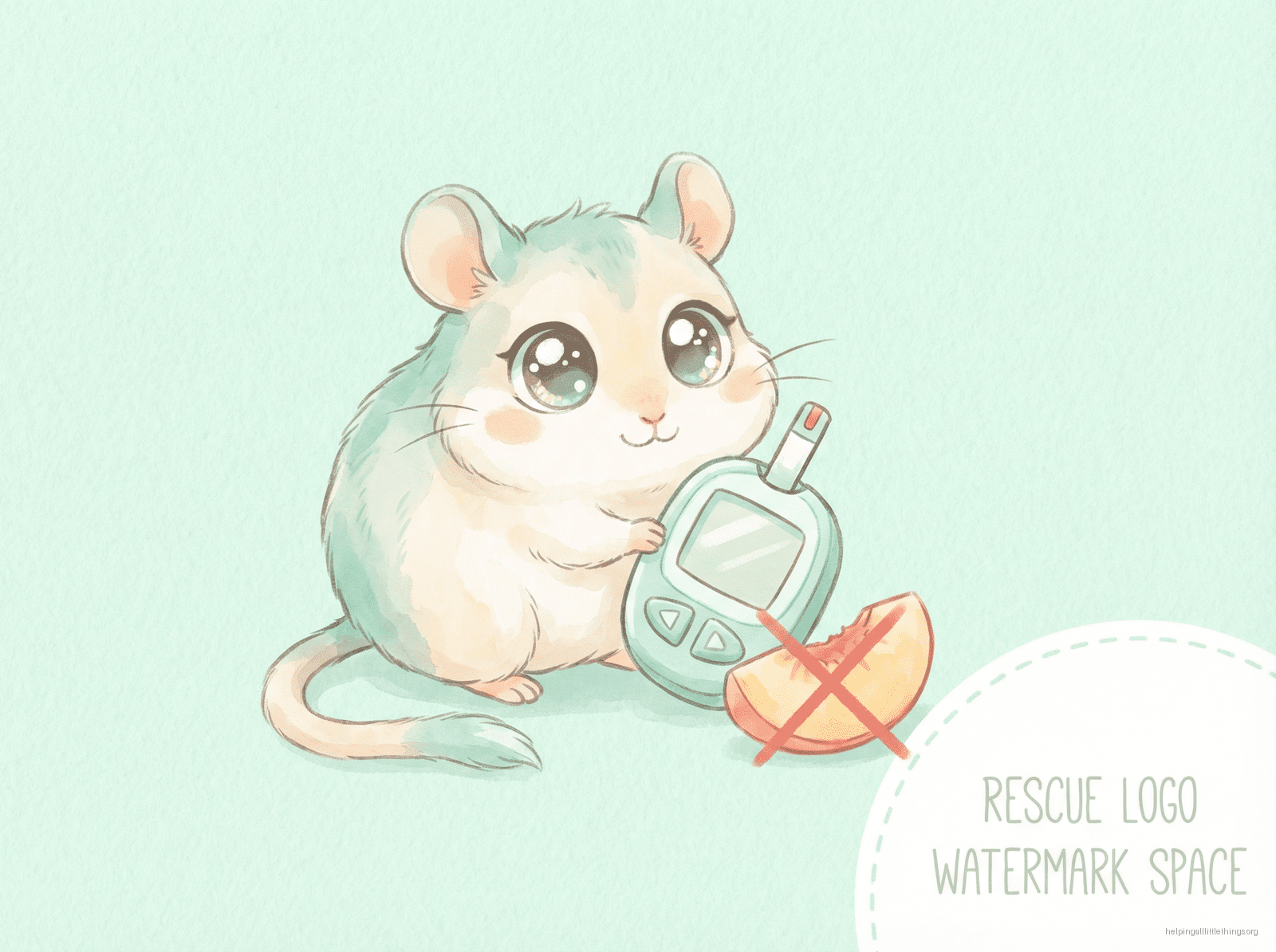

Diabetes is a relatively common metabolic disease in gerbils. While it can have a genetic component, it is most often linked to diet and obesity. It occurs when the gerbil's body either doesn't produce enough insulin or can't effectively use the insulin it does produce. This leads to high levels of glucose (sugar) in the blood, a condition called hyperglycemia.
The Cause: Diet and Genetics
Unlike some other small rodents (like degus), gerbils can handle some sugar in their diet. However, a diet that is consistently high in sugar and fat can lead to obesity and insulin resistance, which are major risk factors for developing diabetes.
- Diet: A diet with too many sugary treats (like fruit or yogurt drops) or fatty seeds (like sunflower seeds) can contribute to the development of diabetes over time.
- Genetics: There is also a genetic predisposition to diabetes in some gerbil lines. Gerbils that are bred for certain colors may be more prone to the condition.
Signs of Diabetes
The signs of diabetes in gerbils are related to the body trying to get rid of the excess sugar in the blood.
- Increased Thirst (Polydipsia): This is one of the most noticeable signs. You may find that you are refilling the water bottle much more frequently than usual.
- Increased Urination (Polyuria): With the increased drinking comes increased urination. The cage bedding may be wetter than normal.
- Weight Loss: Despite a normal or even increased appetite, the gerbil may lose weight. This is because their body can't use the sugar in their blood for energy, so it starts breaking down fat and muscle instead.
- Lethargy: The gerbil may be less active and sleep more.
- Cataracts: While not as common as in degus, some diabetic gerbils may develop cataracts (a clouding of the lens of the eye).
Diagnosis and Management
If you suspect your gerbil has diabetes, a veterinary visit is important.
- Diagnosis: A vet can diagnose diabetes by testing the level of glucose in the urine or blood. A consistently high glucose level is indicative of diabetes.
- Management: There is no cure for diabetes in gerbils, and insulin injections are generally not practical for such a small animal. Therefore, management focuses on controlling the disease through diet.
- Dietary Changes: The most important step is to modify the diet to be low in sugar and fat. This means eliminating all sugary treats like fruits and yogurt drops. The diet should be based on a high-quality, balanced gerbil food mix.
- Encourage Exercise: Providing a large cage with a solid-surface wheel and opportunities for play can help to manage weight and improve insulin sensitivity.
Prevention
Prevention is key and is centered on providing a healthy lifestyle.
- Feed a Balanced Diet: Provide a high-quality commercial gerbil mix as the staple food.
- Limit Treats: Treats should be given in moderation. Avoid sugary fruits and fatty seeds. A good treat is a plain, unsweetened cheerio or a pumpkin seed.
- Promote a Healthy Weight: Ensure your gerbil has plenty of space and a wheel to exercise to prevent obesity.
By feeding a sensible, low-sugar diet and encouraging an active lifestyle, you can significantly reduce the risk of your gerbil developing diabetes and help manage the condition if it does occur.