Dental Health in Gerbils
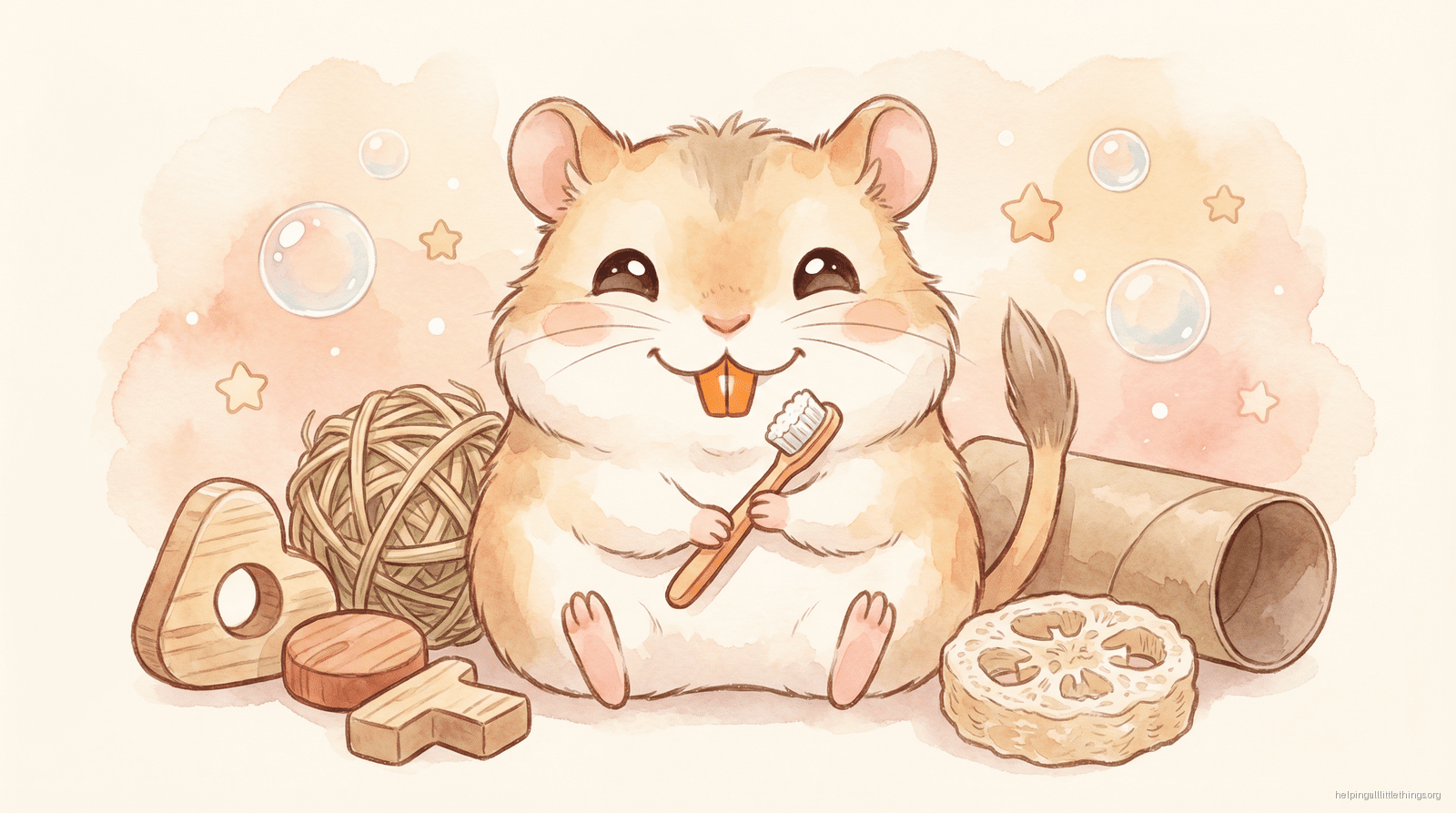

Dental health is a crucial aspect of gerbil care, centered almost entirely on their four prominent incisors (front teeth). Like all rodents, a gerbil's incisors grow continuously throughout their life. This unique trait requires them to constantly chew and gnaw to wear their teeth down. When this natural process is disrupted, it can lead to serious and painful health problems.
The Basics of Gerbil Teeth
A gerbil's incisors are their most important tool. They are naturally yellow-orange and are designed for gnawing. In a healthy gerbil, the upper and lower incisors meet perfectly, wearing each other down to a normal, chisel-like shape with every bite.
Malocclusion, or the misalignment of teeth, is the primary dental problem in gerbils. It occurs when the teeth do not meet correctly and therefore do not wear down properly. This leads to overgrowth.
Causes of Malocclusion
- Lack of Chewing Material: This is the most common cause. If a gerbil is not provided with enough appropriate materials to gnaw on, its teeth will inevitably become overgrown.
- Genetics: Some gerbils may be genetically predisposed to jaw or tooth misalignment.
- Trauma: A fall or injury to the face can damage the jaw or a tooth bud, causing the teeth to grow in at an incorrect angle.
- Illness or Malnutrition: A diet lacking in essential minerals can affect tooth and bone health, leading to dental problems.
Signs of Dental Problems
An overgrown incisor can prevent a gerbil from being able to eat and can cause painful injuries inside the mouth. Watch for these signs:
- Loss of Appetite or Weight Loss: This is often the first and most serious sign. The gerbil is hungry but physically cannot eat.
- Drooling: Oral pain can cause excessive salivation.
- Visible Overgrowth: You may see the incisors growing out of the mouth, sometimes curling back towards the face.
- Pawing at the Mouth: A clear sign of discomfort.
- Facial Swelling: This could indicate a painful abscess or injury from an overgrown tooth.
Prevention: The Key to Dental Health
For gerbils, preventing dental disease is straightforward and highly effective. It all comes down to providing ample opportunities to chew.
- Provide Abundant Chewing Materials: Your gerbil's enclosure should be filled with safe and chewable items. The best options are:
- Cardboard: Toilet paper tubes, paper towel rolls, and cardboard boxes are gerbil favorites. They are safe and easily replaceable.
- Wood: Untreated pine, aspen, or apple wood blocks and toys are excellent for dental wear.
- Hay: While not as hard as wood, hay provides good chewing activity and is also essential for their digestive health.
- Proper Diet: A high-quality lab block or pellet provides a hard surface to gnaw on, though it is not a substitute for other chewing materials.
- Cage Type: A tank-style enclosure is often preferred over a wire cage, as obsessive bar-chewing can lead to tooth misalignment or breakage.
Treatment for Overgrown Teeth
If your gerbil's teeth become overgrown, they will need to be trimmed by a veterinarian. Do not attempt to trim your gerbil's teeth at home. Using nail clippers or other improper tools can easily fracture the tooth, causing excruciating pain and leading to a serious infection.
A veterinarian will use a special dental burr or file to gently and safely trim the teeth to a normal length. This is a procedure that may need to be repeated every few weeks for the rest of the gerbil's life if the underlying cause is genetic or due to a permanent injury.