Understanding Diabetes in Ferrets
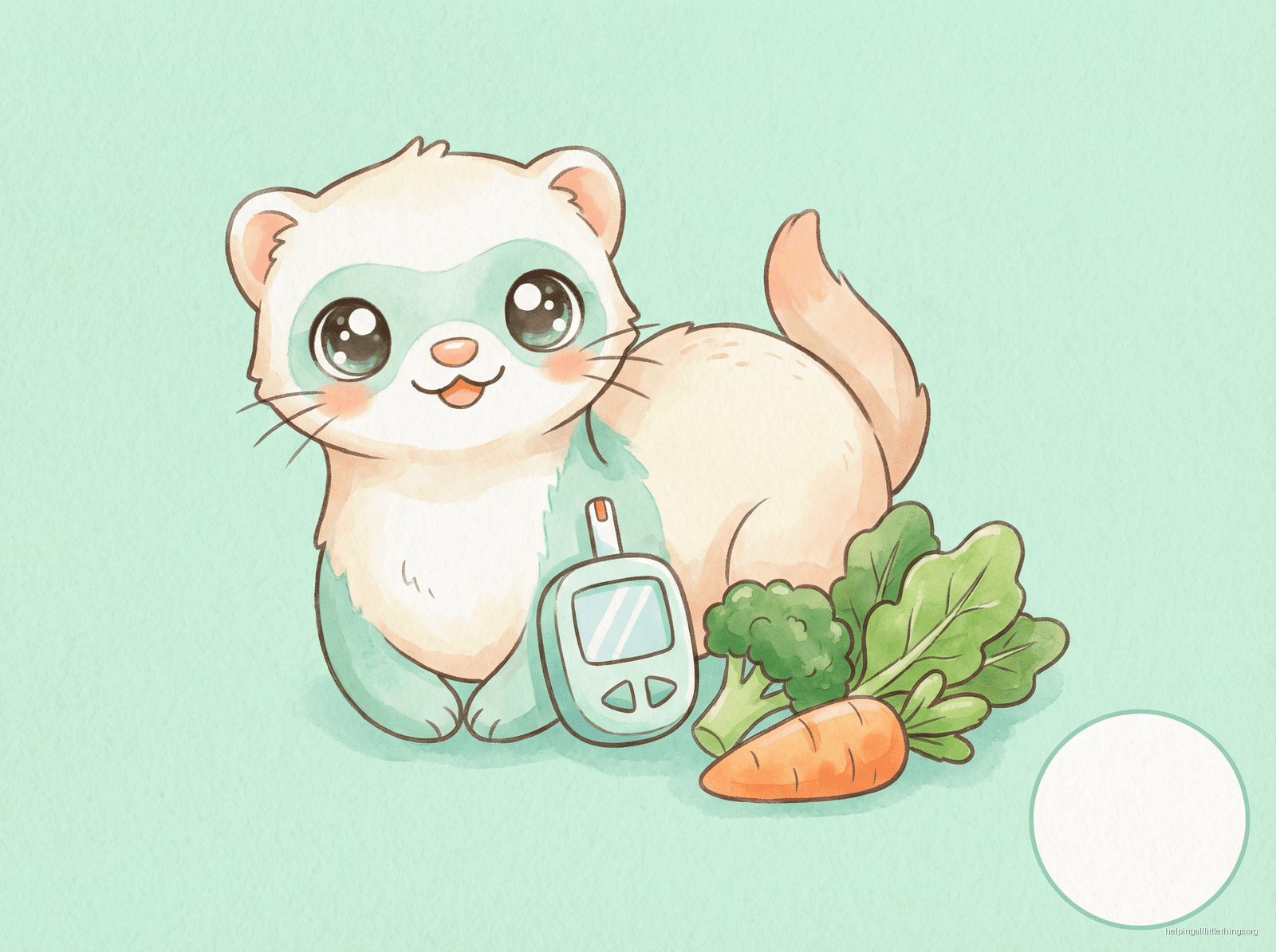

When discussing pancreatic diseases in ferrets, it is crucial to distinguish between two very different conditions: Insulinoma and Diabetes Mellitus.
- Insulinoma is a common condition in ferrets. It involves a tumor on the pancreas that produces too much insulin, leading to dangerously low blood sugar (hypoglycemia).
- Diabetes Mellitus is the opposite. It is a condition where the body cannot produce enough insulin, leading to high blood sugar (hyperglycemia). While common in other species, diabetes mellitus is extremely rare in ferrets [1, 2].
This guide focuses on the rare occurrence of diabetes mellitus in ferrets.
What is Diabetes Mellitus?
Diabetes mellitus occurs when the pancreas does not produce enough insulin to regulate blood sugar. Without insulin, glucose cannot enter the body's cells to be used for energy, causing it to build up in the bloodstream. While the exact cause in ferrets is not always clear, it can be associated with pancreatic damage or other underlying health issues [3].
Symptoms of Diabetes in Ferrets
Due to its rarity, the symptoms are not as well-documented as in other animals. However, based on reported cases, signs of high blood sugar in ferrets may include:
- Increased thirst and urination
- Weight loss despite a normal appetite
- Lethargy and weakness
- Sweet-smelling breath
It is vital to see a veterinarian immediately if you notice these signs. These symptoms can also be associated with other, more common ferret illnesses, and a proper diagnosis is essential.
The Importance of a Carnivore Diet
Ferrets are obligate carnivores. Their digestive systems are designed for a diet high in animal protein and fat, and very low in carbohydrates and fiber. Feeding a diet high in sugar or carbohydrates (often found in low-quality foods and sugary treats) is inappropriate for ferrets and can contribute to a range of health problems [1].
A species-appropriate diet is the cornerstone of preventing metabolic diseases.
- High-Quality Ferret Kibble: Choose a food with high animal protein content (30-40%) and fat (18-30%).
- No Sugary Treats: Do not feed your ferret fruit, vegetables, or any treats containing sugar.
A Note on Insulinoma
Given its prevalence, ferret owners are far more likely to encounter insulinoma than diabetes. The signs of insulinoma are related to low blood sugar and include:
- Staring blankly, "zoning out"
- Pawing at the mouth
- Weakness in the hind legs
- Seizures
If you suspect your ferret has any form of pancreatic disease, a prompt veterinary visit is critical for diagnosis and treatment.
References
[1] Hormonal Diseases in Ferrets — VCA Animal Hospitals, Unknown
[2] Hormonal Disorders of Ferrets — Merck Veterinary Manual, 2024
[3] Transient diabetes mellitus in a domestic ferret (Mustela putorius furo) — A. Duhamelle, 2015
[4] Endocrinopathy and Aging in Ferrets — V. Bakthavatchalu, 2016