Gastrointestinal (GI) Health in Ferrets
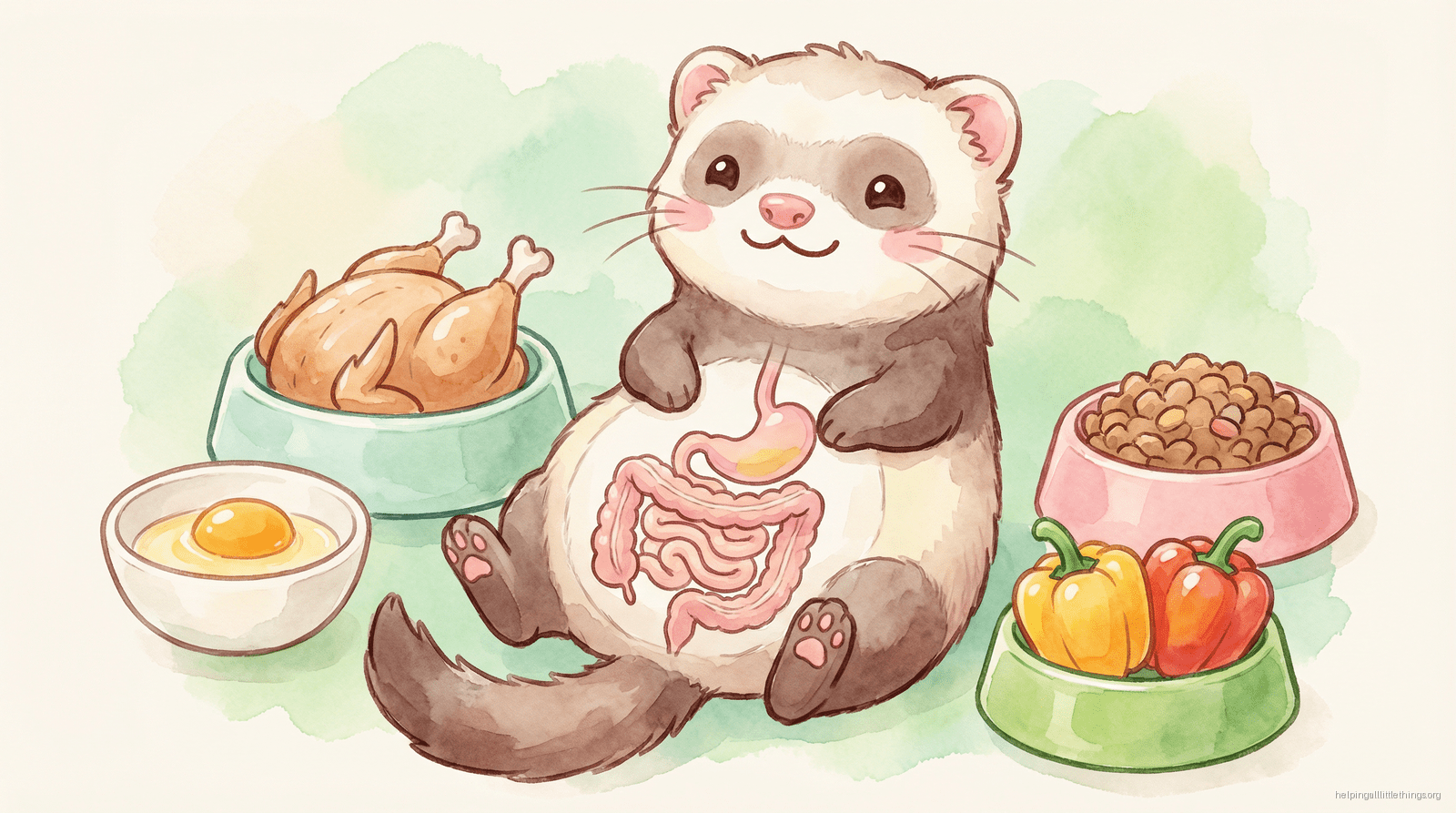

A ferret's gastrointestinal (GI) tract is short, simple, and built for speed. As obligate carnivores, they are designed to rapidly digest a diet of meat and fat. This unique physiology makes them prone to specific GI issues, particularly foreign body obstructions, and means that any signs of digestive upset should be taken seriously.
The Ferret Digestive System: Fast and Simple
Unlike herbivores, ferrets have a very short digestive tract and lack a functional cecum. This means two things:
- Rapid Transit Time: Food passes through a ferret's system in just 3-4 hours. This is why they eat multiple small meals throughout the day.
- No Fiber Digestion: They cannot digest fiber. A diet high in plant material (found in many low-quality cat or ferret foods) provides little nutritional value and can lead to GI upset.
Common GI Problems in Ferrets
-
Foreign Body Obstruction: This is the most common and life-threatening GI emergency in ferrets. Their curious nature leads them to chew on and swallow non-food items.
- Causes: Small pieces of rubber toys, foam, fabric, and even their own hair (hairballs) can become lodged in the stomach or intestines, causing a blockage.
- Signs: The signs can be subtle or dramatic. They include loss of appetite, vomiting, lethargy, pawing at the mouth (a sign of nausea), and small, tarry, or absent stools. A partial obstruction may cause intermittent symptoms over days or weeks.
- Action: This is a surgical emergency. If you suspect your ferret has swallowed something, go to a vet immediately. The vet will use x-rays, sometimes with contrast, to diagnose the blockage. Surgery is required to remove the object.
-
Vomiting and Diarrhea: These are not diseases themselves, but symptoms of an underlying problem.
- Causes: Can range from dietary indiscretion (eating something they shouldn't have) to more serious issues like infections, inflammatory bowel disease (IBD), or cancer (like lymphoma).
- Action: A single episode of vomiting might not be an emergency, but persistent vomiting or diarrhea requires a veterinary visit. Dehydration is a major risk. Green or "bird seed"-like stool is a classic sign of Epizootic Catarrhal Enteritis (ECE), a highly contagious viral infection.
-
Epizootic Catarrhal Enteritis (ECE):
- Cause: A highly contagious coronavirus that primarily affects the GI tract. It is often called the "green slime disease."
- Signs: The hallmark sign is profuse, bright green, slimy diarrhea. It also causes severe lethargy and loss of appetite.
- Action: ECE can be particularly severe in older ferrets. It requires supportive veterinary care, including fluids to combat dehydration and nutritional support. Strict quarantine is necessary to prevent its spread to other ferrets.
-
Helicobacter mustelae:
- Cause: A species of bacteria that colonizes the stomach of nearly all ferrets, usually without causing problems. However, in some ferrets, particularly those under stress, it can lead to chronic gastritis (stomach inflammation) and ulcers.
- Signs: Chronic vomiting, teeth grinding (a sign of pain), pawing at the mouth, and dark, tarry stools (indicating digested blood).
- Action: Requires veterinary diagnosis and treatment with a combination of antibiotics and stomach acid reducers.
Prevention of GI Issues
- Ferret-Proof Your Home: This is the most important step. Get on your hands and knees and remove anything a ferret could chew on and swallow. Be vigilant about foam padding, rubber-soled shoes, and small toys.
- High-Quality Diet: Feed a high-quality, meat-based ferret or kitten food that is high in protein and fat, and low in fiber. Avoid foods with corn, peas, or other plant proteins as primary ingredients.
- Hairball Prevention: During shedding season, use a hairball laxative or preventative (available from your vet) a few times a week.
- Quarantine New Ferrets: Always quarantine new ferrets for at least two weeks to monitor for signs of infectious diseases like ECE before introducing them to your resident ferrets.
Due to their rapid metabolism, a ferret that stops eating or is vomiting can decline very quickly. Do not wait to seek veterinary care if you notice signs of GI distress.