Dental Health in Degus
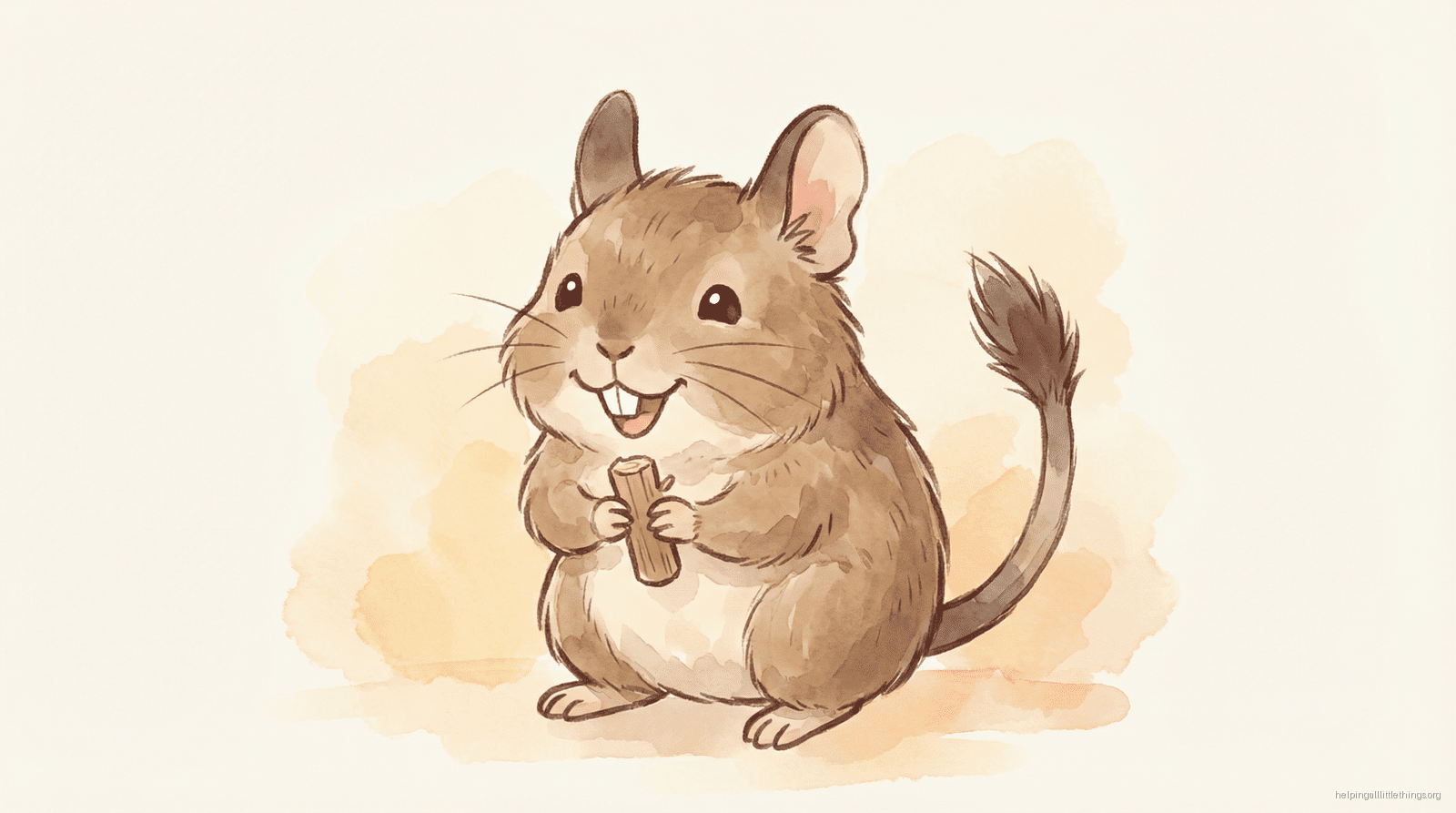

Like chinchillas and guinea pigs, degus have elodont dentition, meaning all of their teeth grow continuously throughout their lives. This unique physiology makes them highly susceptible to dental disease, which is one of the most common health problems seen in pet degus. Proper diet is not just important for their overall health—it is the primary factor in preventing painful and life-altering dental issues.
The Mechanics of Degu Teeth
A degu has 20 teeth: 4 incisors (front teeth) and 16 molars (cheek teeth). The natural color of their incisors is orange, which is a sign of a healthy degu. In a healthy mouth, the constant grinding of high-fiber foods, especially hay, wears the teeth down at a rate equal to their growth.
Dental disease, or malocclusion, occurs when this wear process is insufficient. The teeth, particularly the molars, begin to overgrow. This overgrowth can lead to several painful problems:
- Crown Elongation and Spikes: The crowns of the molars become too long and form sharp points that can cut into the degu's tongue and cheeks.
- Root Elongation: The roots of the teeth can grow backwards into the jaw and skull. This can cause pain, abscesses, and pressure on the eyes and nasal passages.
Causes of Dental Disease
While some degus may have a genetic predisposition to dental problems, the vast majority of cases are directly related to an improper diet.
- Insufficient Hay: This is the leading cause. A diet that is low in hay and high in commercial pellets does not provide enough abrasive material or encourage the side-to-side chewing motion required to wear down the molars.
- Sugary and Soft Foods: Treats like fruit or soft vegetables do not contribute to dental wear and can lead to other health problems like diabetes.
- Trauma: An injury to the face or jaw can cause a misalignment of the teeth, leading to abnormal wear patterns.
Recognizing the Signs of Dental Problems
Degus are prey animals and will hide signs of pain until they are very sick. Owners must be vigilant for the subtle early signs of dental disease.
- Changes in Eating Habits: The degu may become picky, preferring softer foods and leaving the harder pellets or hay. They may drop food from their mouth while trying to eat.
- Weight Loss: This is a key sign that the degu is not able to eat properly due to pain.
- Drooling ("Slobbers"): Wet or matted fur around the mouth, chin, and chest is a sign of significant oral pain.
- Watery Eyes: Overgrown upper tooth roots can block the tear ducts, causing one or both eyes to weep.
- Pawing at the Mouth: A clear indication of oral discomfort.
- Reduced Activity: A degu in pain will be less active and may spend more time hiding.
Diagnosis and Management
If you notice any of these signs, a trip to an exotics-savvy veterinarian is crucial.
- Diagnosis: The vet will examine the incisors and may use a special tool to get a look at the molars in a conscious degu. However, a definitive diagnosis requires skull x-rays under sedation to evaluate the tooth roots.
- Management: Dental disease is a condition that is managed, not cured. The goal of treatment is to correct the overgrowth and manage the pain.
- Dental Trims: Under anesthesia, the vet will use a dental burr to file down the overgrown crowns and remove any sharp spikes.
- Pain Medication: Ongoing pain relief is essential for quality of life.
- Supportive Care: If the degu is not eating, they will require syringe-feeding with a critical care formula.
Prevention is Key
You can prevent the vast majority of dental problems by providing a proper diet from day one.
- Unlimited Hay: The diet should be at least 80% high-quality grass hay (such as timothy, orchard, or botanical hay). Hay should be available at all times.
- Limited Pellets: Feed a measured amount of a high-quality, degu-specific pellet. Avoid mixes that contain seeds, nuts, and colorful pieces.
- No Sugar: Do not feed any sugary treats, including fruit. This is important for preventing both dental disease and diabetes.
- Safe Chews: Provide safe items to chew on, such as apple wood sticks or other natural woods, to encourage chewing behavior.
By focusing on a diet that mimics what a degu would eat in the wild, you are providing the best possible defense against painful and ensuring your pet's dental and overall health.